Cytotechnologists
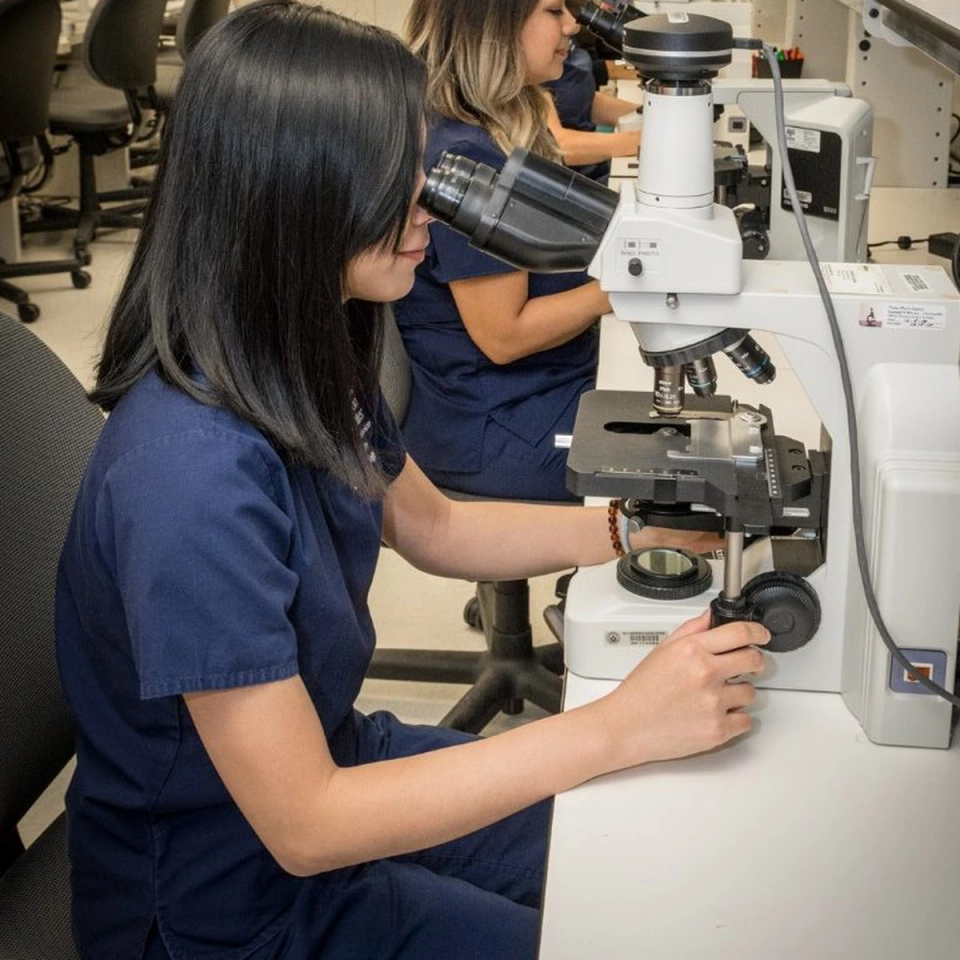
Cytotechnologists study cells on glass slides using high‑powered microscopes to help detect cancer, hormone problems, and other diseases at very early stages. They prepare samples such as Pap smears and fine needle aspiration (FNA) biopsies, use special stains and chromosomal dyes to highlight tiny cell structures, and carefully compare what they see to strict medical standards. They also document patient information, share detailed microscopic findings with pathologists, help keep lab equipment calibrated and repaired, and sometimes coordinate lab tasks so the entire diagnostic team works safely and efficiently.
Did you know?
Cytotechnologists must complete an accredited cytotechnology program and pass the American Society for Clinical Pathology (ASCP) certification exam to practice in the United States.
At a glance
Growth
Stable
Top skill
Reading Comprehension
Things to consider
Strong Job Market with Aging Population Demand
The profession offers excellent job security due to increasing demand for cancer screening services driven by America's aging population and preventive healthcare emphasis.
High Precision Work Environment
The role requires exceptional attention to detail and ability to work independently for extended periods while examining microscopic specimens that directly impact patient diagnoses.
Key responsibilities
Adjust, maintain, or repair laboratory equipment, such as microscopes.
Maintain effective laboratory operations by adhering to standards of specimen collection, preparation, or laboratory safety.
Attend continuing education programs that address laboratory issues.
Examine cell samples to detect abnormalities in the color, shape, or size of cellular components and patterns.
Examine specimens to detect abnormal hormone conditions.