Derrick Operators in Oil and Gas
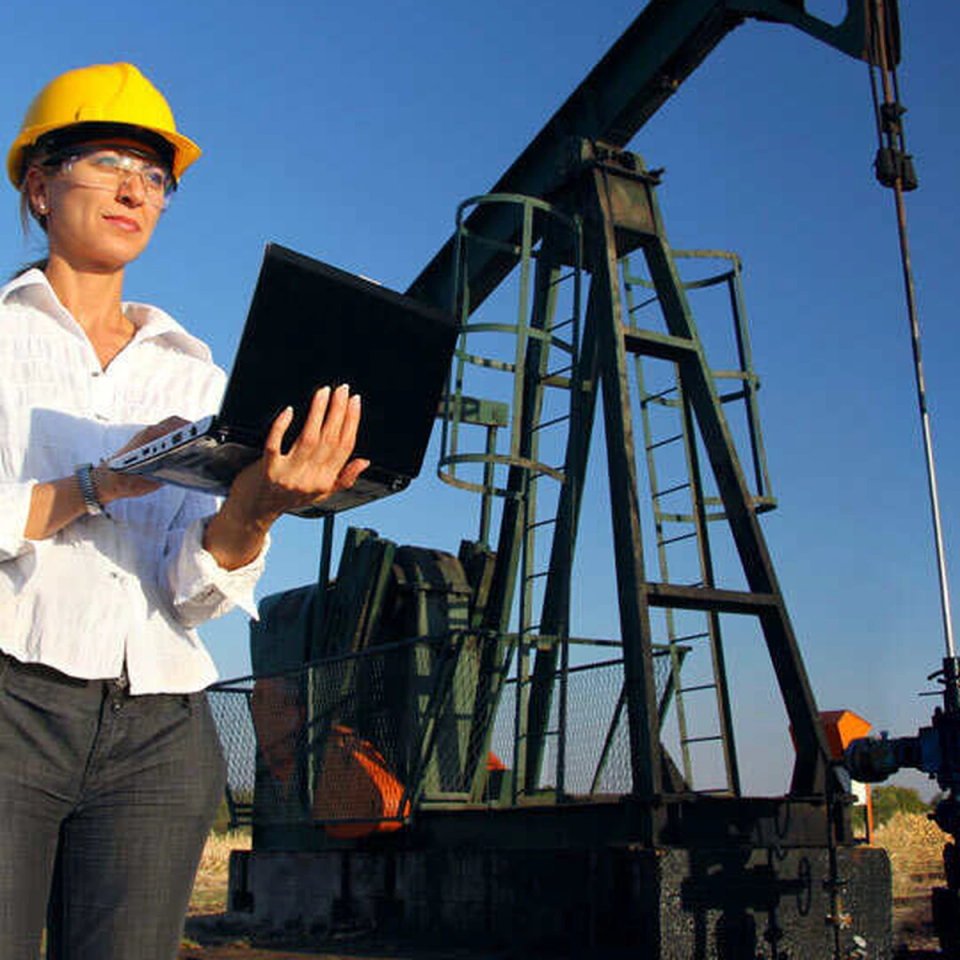
Derrick Operators in oil and gas work high above the ground on drilling rigs, setting up and maintaining the tall metal tower called the derrick. They mix and control drilling mud using water, clay, and chemicals, then operate powerful pumps to circulate this fluid through the drill pipe to cool the drill bit and carry rock cuttings back to the surface. They inspect and repair equipment like pumps, mud tanks, and cables, guide heavy steel pipes into and out of the well, and often supervise and train crew members to keep the entire drilling operation safe, efficient, and on schedule.
Did you know?
This occupation involves significant physical labor and exposure to hazardous conditions, requiring strict adherence to safety protocols and maintaining excellent physical fitness.
At a glance
Typical average pay
$60,900 Avg/yr
Growth
Stable
Top skill
Operations Monitoring
Things to consider
Geographic Mobility Requirements
Employment opportunities are concentrated in specific regions like Texas, North Dakota, and Alaska, often requiring relocation or extended travel to remote work sites.
Industry Economic Volatility
Job security is closely tied to oil and gas market fluctuations, with employment levels varying significantly during industry boom and bust cycles.
Key responsibilities
Start pumps that circulate mud through drill pipes and boreholes to cool drill bits and flush out drill cuttings.
Repair pumps, mud tanks, and related equipment.
Inspect derricks, or order their inspection, prior to being raised or lowered.
Clamp holding fixtures on ends of hoisting cables.
Steady pipes during connection to or disconnection from drill or casing strings.