
Detectives and Criminal Investigators

Overview

Detectives and criminal investigators solve crimes by gathering evidence, interviewing witnesses and suspects, and examining crime scenes for clues like fingerprints, DNA, and other physical evidence. They use modern forensic technology, databases, and analytical software to piece together what happened and build cases for court. This career requires strong problem-solving skills, attention to detail, and the ability to work with diverse teams including forensic specialists, attorneys, and other law enforcement officers. Most detectives start as police officers and can pursue degrees in criminal justice, forensic science, or related fields.
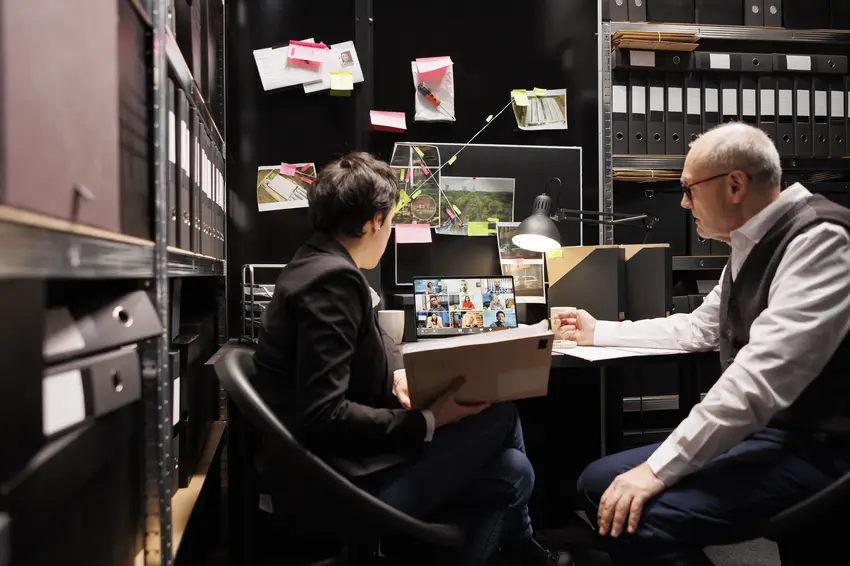
Detectives and Criminal Investigators

Did you know?

Most detective positions require completion of a police academy program and several years of experience as a patrol officer before advancement to detective roles.

At a Glance

Median Wage

$88,289.80 Avg/yr

Growth

Stable

Top Skill

Installation

Key Responsibilities

  • Search for and collect evidence, such as fingerprints, using investigative equipment.
  • Perform undercover assignments and maintain surveillance, including monitoring authorized wiretaps.
  • Check victims for signs of life, such as breathing and pulse.
  • Obtain summary of incident from officer in charge at crime scene, taking care to avoid disturbing evidence.
  • Preserve, process, and analyze items of evidence obtained from crime scenes and suspects, placing them in proper containers and destroying evidence no longer needed.
  • Prepare charges or responses to charges, or information for court cases, according to formalized procedures.
  • Provide information to lab personnel concerning the source of an item of evidence and tests to be performed.
  • Secure persons at scene, keeping witnesses from conversing or leaving the scene before investigators arrive.
  • Determine scope, timing, and direction of investigations.
  • Examine records and governmental agency files to find identifying data about suspects.
  • Prepare and serve search and arrest warrants.
  • Note, mark, and photograph location of objects found, such as footprints, tire tracks, bullets and bloodstains, and take measurements of the scene.
  • Block or rope off scene and check perimeter to ensure that entire scene is secured.
  • Collaborate with other offices and agencies to exchange information and coordinate activities.
  • Obtain and verify evidence by interviewing and observing suspects and witnesses or by analyzing records.
  • Question individuals or observe persons and establishments to confirm information given to patrol officers.
  • Notify command of situation and request assistance.
  • Organize scene search, assigning specific tasks and areas of search to individual officers and obtaining adequate lighting as necessary.
  • Notify, or request notification of, medical examiner or district attorney representative.
  • Testify before grand juries concerning criminal activity investigations.
  • Secure deceased body and obtain evidence from it, preventing bystanders from tampering with it prior to medical examiner's arrival.
  • Record progress of investigation, maintain informational files on suspects, and submit reports to commanding officer or magistrate to authorize warrants.
  • Examine records to locate links in chains of evidence or information.
  • Maintain surveillance of establishments to obtain identifying information on suspects.
  • Prepare reports that detail investigation findings.
  • Obtain facts or statements from complainants, witnesses, and accused persons and record interviews, using recording device.
  • Identify case issues and evidence needed, based on analysis of charges, complaints, or allegations of law violations.
  • Analyze completed police reports to determine what additional information and investigative work is needed.
  • Summon medical help for injured individuals and alert medical personnel to take statements from them.
  • Participate or assist in raids and arrests.

Career Considerations

Educational and Training Requirements

Most detective positions require completion of a police academy program and several years of experience as a patrol officer before advancement to detective roles.

High-Stress Work Environment

Detectives face significant physical and psychological demands including exposure to violent crimes, irregular hours, and the pressure to solve complex cases.

Specialization and Advancement Opportunities

Career growth often involves specializing in areas like homicide, cybercrime, or fraud, with potential advancement to supervisory roles or federal agencies.

Want to dig deeper?

Talk to blinky to learn more.

Start chatting
BETA
New York

25 Kent Ave, Suite 401
Brooklyn, NY
11249


North Carolina

204 N Person
Street. Raleigh, NC
27601

Australia

Level 4/80
Wentworth Ave,
Surry Hills,
Sydney, 2010