Diesel Mechanics
Overview
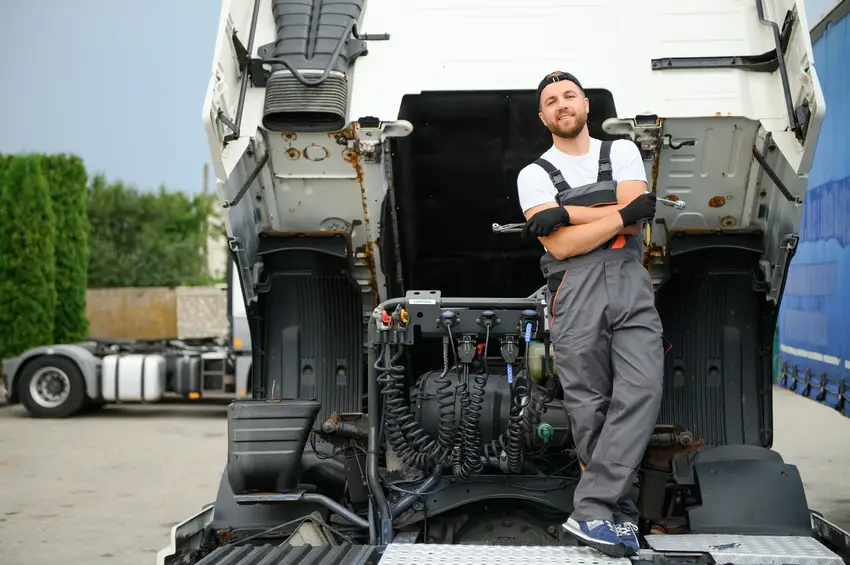
Diesel mechanics keep buses, trucks, and other heavy vehicles running smoothly by diagnosing problems, repairing engines, and performing regular maintenance. You'll use high-tech diagnostic equipment like oscilloscopes to troubleshoot electronic systems, work with hydraulic tools to lift heavy equipment, and test drive vehicles to ensure they're safe and efficient. This hands-on career combines mechanical skills with modern technology, and many mechanics work in collaborative shop environments or even travel to repair vehicles on-site. You can start with a high school diploma and gain skills through vocational training, apprenticeships, or community college programs.
Did you know?
Obtaining Automotive Service Excellence (ASE) certifications is crucial for career advancement and credibility in the American automotive repair industry.
At a Glance
Median Wage
$61,078.43 Avg/yr
Growth
Stable
Top Skill
Instructing
Key Responsibilities
- Use handtools, such as screwdrivers, pliers, wrenches, pressure gauges, or precision instruments, as well as power tools, such as pneumatic wrenches, lathes, welding equipment, or jacks and hoists.
- Inspect, repair, and maintain automotive and mechanical equipment and machinery, such as pumps and compressors.
- Specialize in repairing and maintaining parts of the engine, such as fuel injection systems.
- Inspect brake systems, steering mechanisms, wheel bearings, and other important parts to ensure that they are in proper operating condition.
- Align front ends and suspension systems.
- Disassemble and overhaul internal combustion engines, pumps, generators, transmissions, clutches, and differential units.
- Rebuild gas or diesel engines.
- Test drive trucks and buses to diagnose malfunctions or to ensure that they are working properly.
- Raise trucks, buses, and heavy parts or equipment using hydraulic jacks or hoists.
- Examine and adjust protective guards, loose bolts, and specified safety devices.
- Measure vehicle emissions to determine whether they are within acceptable limits.
- Adjust or repair computer controlled exhaust emissions devices.
- Follow green operational practices involving conservation of water or energy or reduction of solid waste.
- Attach test instruments to equipment, and read dials and gauges to diagnose malfunctions.
- Diagnose and repair vehicle heating and cooling systems.
- Maintain or repair vehicles with alternative fuel systems, including biodiesel, hybrid, or compressed natural gas vehicles.
- Rewire ignition systems, lights, and instrument panels.
- Recondition and replace parts, pistons, bearings, gears, and valves.
- Perform routine maintenance such as changing oil, checking batteries, and lubricating equipment and machinery.
- Operate valve-grinding machines to grind and reset valves.
- Dismount, mount, and repair or replace tires.
- Inspect, test, and listen to defective equipment to diagnose malfunctions, using test instruments such as handheld computers, motor analyzers, chassis charts, or pressure gauges.
- Install or repair accessories.
- Adjust and reline brakes, align wheels, tighten bolts and screws, and reassemble equipment.
- Inspect and verify dimensions and clearances of parts to ensure conformance to factory specifications.
- Repair or adjust seats, doors, or windows.
Career Considerations
ASE Certification Requirements
Obtaining Automotive Service Excellence (ASE) certifications is crucial for career advancement and credibility in the American automotive repair industry.
Evolving Vehicle Technology
Continuous learning is essential as vehicles increasingly incorporate electric systems, advanced diagnostics, and computerized components that require specialized training.
Physical Demands and Safety
The role requires physical stamina and adherence to strict OSHA safety protocols due to exposure to chemicals, heavy machinery, and potentially hazardous working conditions.