Dispatchers
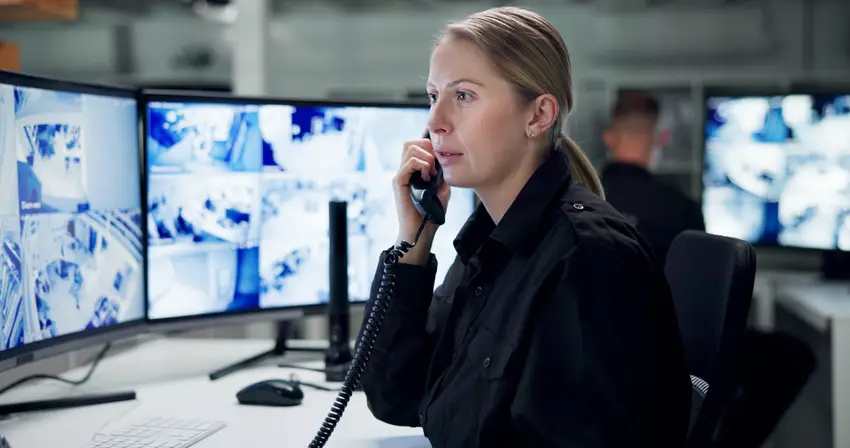
Dispatchers are the coordination hub for companies, scheduling and directing workers, equipment, and service vehicles to where they're needed most. They use computers, radios, and phones to communicate with field teams, track locations using GPS technology, and solve problems in real-time. This role requires strong multitasking skills as dispatchers juggle multiple requests, maintain detailed records, and ensure efficient operations. Many dispatchers work in modern control centers with multiple monitors and can pursue careers in emergency services, transportation, or logistics companies.
Did you know?
American dispatch operations increasingly rely on advanced GPS tracking, automated routing systems, and digital communication platforms that require continuous learning and adaptation.
At a glance
Typical average pay
$49,700 Avg/yr
Growth
Stable
Top skill
Speaking
Things to consider
Irregular Work Schedules
Most dispatcher positions in the U.S. require shift work including nights, weekends, and holidays to maintain 24/7 operations coverage.
Industry Specialization Opportunities
The American market offers diverse specialization paths in trucking, utilities, taxi services, and delivery companies, each with distinct growth potential and skill requirements.
Key responsibilities
Receive or prepare work orders.
Monitor personnel or equipment locations and utilization to coordinate service and schedules.
Schedule or dispatch workers, work crews, equipment, or service vehicles to appropriate locations, according to customer requests, specifications, or needs, using radios or telephones.
Determine types or amounts of equipment, vehicles, materials, or personnel required, according to work orders or specifications.
Record and maintain files or records of customer requests, work or services performed, charges, expenses, inventory, or other dispatch information.