DJs
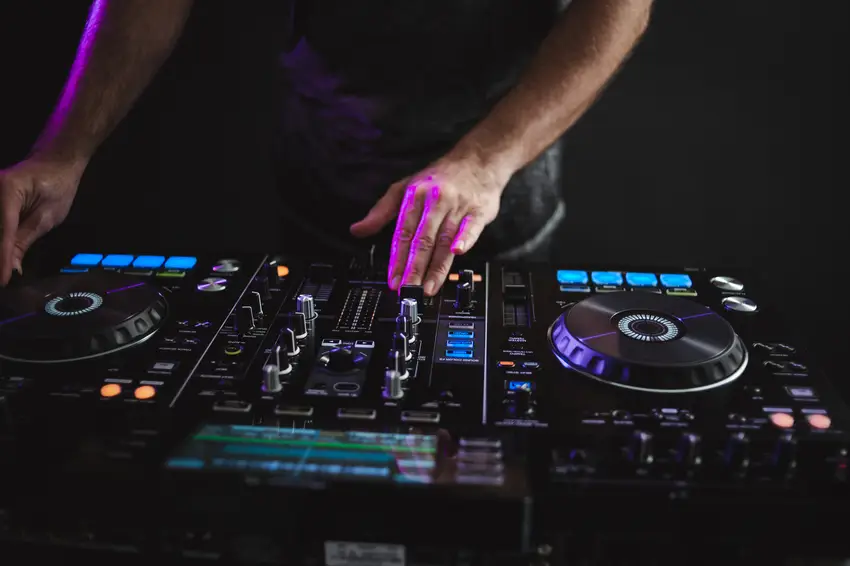
DJs are the voice and music curators who entertain audiences at radio stations, clubs, weddings, and special events. They select and mix music, interview guests, research trending topics, and engage with audiences through live commentary and social media. Using digital mixing software, streaming platforms, and professional audio equipment, DJs create memorable experiences while building their personal brand. Many DJs work flexible schedules, collaborate with event planners and artists, and can pursue careers in radio broadcasting, live entertainment, or digital content creation.
Did you know?
DJs typically work as freelancers with irregular income that fluctuates based on seasonal demand, requiring strong financial planning and business skills to manage cash flow.
At a glance
Growth
Fast growing
Things to consider
Technology and Equipment Investment
Success requires continuous investment in updated audio equipment, software, and music libraries to stay competitive in the rapidly evolving entertainment technology landscape.
Networking and Self-Promotion
Building a successful DJ career depends heavily on developing relationships with event planners, venue owners, and clients while maintaining an active social media presence for marketing.
Key responsibilities
Mix, cut, or sample recorded music using DJ controllers, CDJs, or DJ mixers.
Accept music requests from event guests.
Adhere to schedules to keep events running on time.
Create itemized invoices to record amounts due for services rendered.
Operate visual effects equipment, such as lights, fog machines, or lasers.