Door Technicians
Overview
Door technicians install, repair, and maintain automatic doors, garage doors, and hydraulic door systems in homes and businesses. They work with springs, tracks, motors, and electronic components, using hand tools and specialized equipment to diagnose problems and make precise adjustments. The job involves climbing ladders, working with heavy springs, and problem-solving to ensure doors operate safely and smoothly. Door technicians often work independently, interact directly with customers, and need strong mechanical skills plus knowledge of electrical systems.
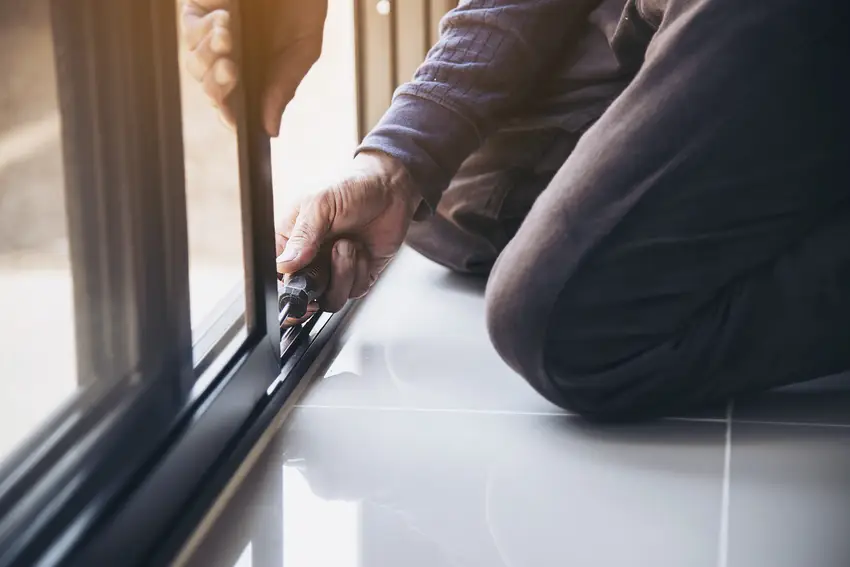
Did you know?
Door mechanics must be prepared for physically demanding work involving heavy lifting, working in various weather conditions, and adhering to strict OSHA safety standards.
At a Glance
Median Wage
$51,043.83 Avg/yr
Growth
Fast Growing
Top Skill
Mathematics
Key Responsibilities
- Bore or cut holes in flooring as required for installation, using hand or power tools.
- Fasten angle iron back-hangers to ceilings and tracks, using fasteners or welding equipment.
- Cut door stops or angle irons to fit openings.
- Set in and secure floor treadles for door-activating mechanisms, and connect power packs and electrical panelboards to treadles.
- Assemble and fasten tracks to structures or bucks, using impact wrenches or welding equipment.
- Inspect job sites, assessing headroom, side room, or other conditions to determine appropriateness of door for a given location.
- Install door frames, rails, steel rolling curtains, electronic-eye mechanisms, or electric door openers and closers, using power tools, hand tools, and electronic test equipment.
- Wind large springs with upward motion of arm.
- Adjust doors to open or close with the correct amount of effort, or make simple adjustments to electric openers.
- Run low voltage wiring on ceiling surfaces, using insulated staples.
- Prepare doors for hardware installation, such as drilling holes to install locks.
- Cover treadles with carpeting or other floor covering materials, and test systems by operating treadles.
- Carry springs to tops of doors, using ladders or scaffolding, and attach springs to tracks to install spring systems.
- Fabricate replacements for worn or broken parts, using welders, lathes, drill presses, or shaping or milling machines.
- Study blueprints and schematic diagrams to determine appropriate methods of installing or repairing automated door openers.
- Collect payment upon job completion.
- Set doors into place or stack hardware sections into openings after rail or track installation.
- Remove or disassemble defective automatic mechanical door closers, using hand tools.
- Repair or replace worn or broken door parts, using hand tools.
- Operate lifts, winches, or chain falls to move heavy curtain doors.
- Order replacement springs, sections, or slats.
- Lubricate door closer oil chambers, and pack spindles with leather washers.
- Complete required paperwork, such as work orders, according to services performed or required.
- Clean door closer parts, using caustic soda, rotary brushes, or grinding wheels.
- Install dock seals, bumpers, or shelters.
Career Considerations
Physical Demands and Safety Requirements
Door mechanics must be prepared for physically demanding work involving heavy lifting, working in various weather conditions, and adhering to strict OSHA safety standards.
State Licensing and Certification Variations
Licensing requirements for door mechanics vary significantly across different states, with some requiring specific certifications for automatic door systems or commercial installations.
Economic Cyclicality and Job Market Stability
Employment opportunities for door mechanics are closely tied to construction and renovation cycles, making income potentially variable during economic downturns.