Drilling Machine Operators
Drilling machine operators set up and run specialized machines that create precise holes and cuts in metal and plastic parts used in everything from cars to electronics. They use high-tech measuring tools like micrometers and calipers to ensure every piece meets exact specifications, and they work with computer-controlled equipment to achieve incredible precision. This hands-on job combines technical skills with problem-solving as operators read blueprints, select the right cutting tools, and adjust machine settings for different materials. Many operators work in modern manufacturing facilities where teamwork and attention to detail are essential for producing quality products.
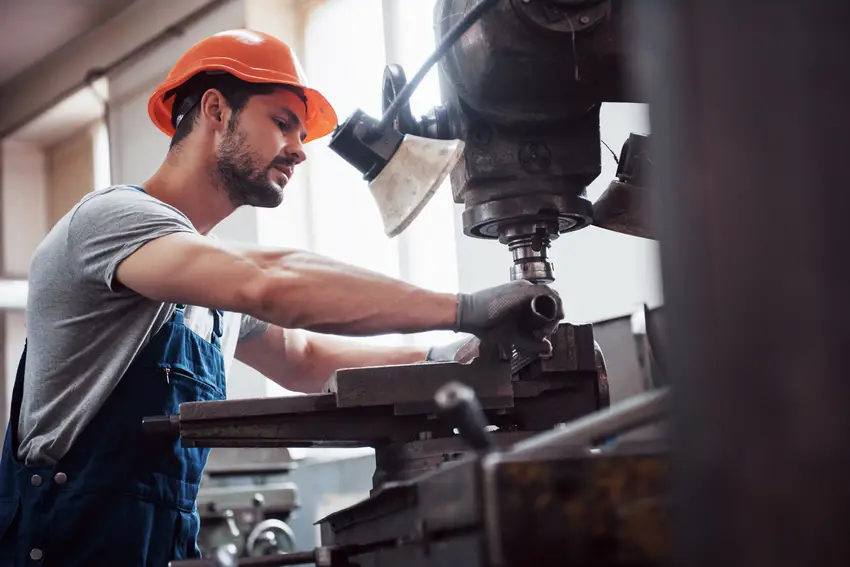
Did you know?
Workers must strictly adhere to OSHA safety standards and company protocols when operating heavy machinery and handling metal/plastic materials in American manufacturing facilities.
At a glance
Typical average pay
$52,600 Avg/yr
Growth
Stable
Top skill
Operations Monitoring
Things to consider
Technical Skills and Training Requirements
Most positions require completion of vocational training, apprenticeships, or on-the-job training to master machine operation, blueprint reading, and precision measurement techniques.
Physical Demands and Work Environment
The role involves standing for extended periods, lifting heavy materials, and working in potentially noisy factory environments with exposure to metal shavings and industrial equipment.
Key responsibilities
Move machine controls to lower tools to workpieces and to engage automatic feeds.
Install tools in spindles.
Lift workpieces onto work tables either manually or with hoists or direct crane operators to lift and position workpieces.
Study machining instructions, job orders, or blueprints to determine dimensional or finish specifications, sequences of operations, setups, or tooling requirements.
Verify that workpiece reference lines are parallel to the axis of table rotation, using dial indicators mounted in spindles.