Drywall Tapers
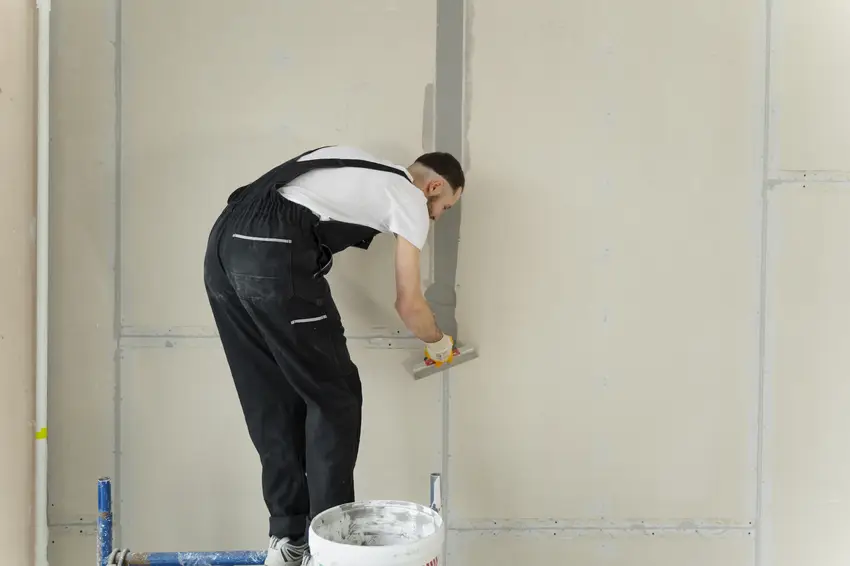
Drywall tapers are the finishing experts who make walls smooth and ready for painting by applying tape and special compounds to cover joints and imperfections. They use a mix of hand tools like trowels and modern equipment like floating machines and portable mixers to create perfectly seamless wall surfaces. This skilled trade requires precision, attention to detail, and physical coordination, especially when working on high ceilings using scaffolding or stilts. Many tapers work as part of construction teams, collaborating with installers and painters to complete building projects.
Did you know?
The job requires significant physical stamina as tapers spend long hours standing, reaching overhead, and working in awkward positions while applying joint compound and tape to drywall surfaces.
At a glance
Typical average pay
$69,000 Avg/yr
Growth
Stable
Things to consider
Skills and Training
Success requires developing precision hand-eye coordination and learning proper techniques for applying compound smoothly, which can be acquired through apprenticeships or on-the-job training programs.
Employment Stability
Job opportunities are closely tied to construction industry cycles, with demand fluctuating based on new construction projects and renovation activities in local markets.
Key responsibilities
Press paper tape over joints to embed tape into sealing compound and to seal joints.
Spread sealing compound between boards or panels or over cracks, holes, nail heads, or screw heads, using trowels, broadknives, or spatulas.
Sand rough spots of dried cement between applications of compounds.
Seal joints between plasterboard or other wallboard to prepare wall surfaces for painting or papering.
Remove extra compound after surfaces have been covered sufficiently.