Electrical Engineers
Overview
Electrical engineers design and build the electrical systems that power everything from smartphones and electric cars to aircraft and renewable energy systems. They use advanced computer software and testing equipment to create new products, solve technical problems, and ensure electrical devices work safely and efficiently. These engineers often collaborate with project managers and other specialists to bring innovative ideas to life, working in modern labs, offices, or even remotely. A strong foundation in math, physics, and computer skills, typically gained through a four-year engineering degree, opens doors to this exciting field.
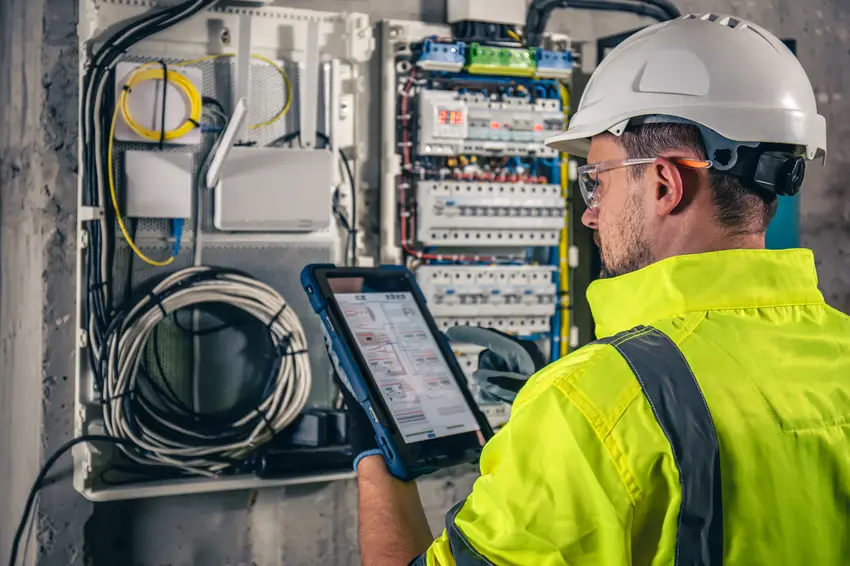
Did you know?
Obtaining a PE license is essential for many senior positions and independent practice in the United States, requiring passing the FE and PE exams.
At a Glance
Median Wage
$111,021.76 Avg/yr
Growth
Fast Growing
Top Skill
Equipment Selection
Key Responsibilities
- Conduct field surveys or study maps, graphs, diagrams, or other data to identify and correct power system problems.
- Investigate customer or public complaints to determine the nature and extent of problems.
- Confer with engineers, customers, or others to discuss existing or potential engineering projects or products.
- Develop systems that produce electricity with renewable energy sources, such as wind, solar, or biofuels.
- Develop software to control electrical systems.
- Estimate labor, material, or construction costs for budget preparation purposes.
- Investigate or test vendors' or competitors' products.
- Integrate electrical systems with renewable energy systems to improve overall efficiency.
- Assist in developing capital project programs for new equipment or major repairs.
- Design, implement, maintain, or improve electrical instruments, equipment, facilities, components, products, or systems for commercial, industrial, or domestic purposes.
- Supervise or train project team members, as necessary.
- Plan or implement research methodology or procedures to apply principles of electrical theory to engineering projects.
- Collect data relating to commercial or residential development, population, or power system interconnection to determine operating efficiency of electrical systems.
- Design electrical systems or components that minimize electric energy requirements, such as lighting systems designed to account for natural lighting.
- Compile data and write reports regarding existing or potential electrical engineering studies or projects.
- Oversee project production efforts to assure projects are completed on time and within budget.
- Prepare technical drawings, specifications of electrical systems, or topographical maps to ensure that installation and operations conform to standards and customer requirements.
- Direct or coordinate manufacturing, construction, installation, maintenance, support, documentation, or testing activities to ensure compliance with specifications, codes, or customer requirements.
- Operate computer-assisted engineering or design software or equipment to perform engineering tasks.
- Perform detailed calculations to compute and establish manufacturing, construction, or installation standards or specifications.
- Inspect completed installations and observe operations to ensure conformance to design and equipment specifications and compliance with operational, safety, or environmental standards.
- Prepare specifications for purchases of materials or equipment.
Career Considerations
Professional Engineering License
Obtaining a PE license is essential for many senior positions and independent practice in the United States, requiring passing the FE and PE exams.
Strong Job Market Demand
The U.S. Bureau of Labor Statistics projects steady growth for electrical engineers, driven by renewable energy, smart grid technology, and electronics innovation.
Continuous Technical Education
Staying current with rapidly evolving technologies like IoT, AI integration, and sustainable energy systems is crucial for career advancement in the American market.