Electromechanical Equipment Assemblers in Manufacturing
Electromechanical equipment assemblers in manufacturing build and fine‑tune machines that combine electrical parts with moving mechanical parts, such as actuators, servomotors, and control linkages. They read detailed blueprints, measure with precision tools like micrometers and calipers, drill and fit components, then wire and connect cables and tubes so everything works exactly to specification. They also run tests, adjust settings, and sometimes use small cranes or robotic assembly equipment to make sure each device is safe, reliable, and ready for real‑world use.
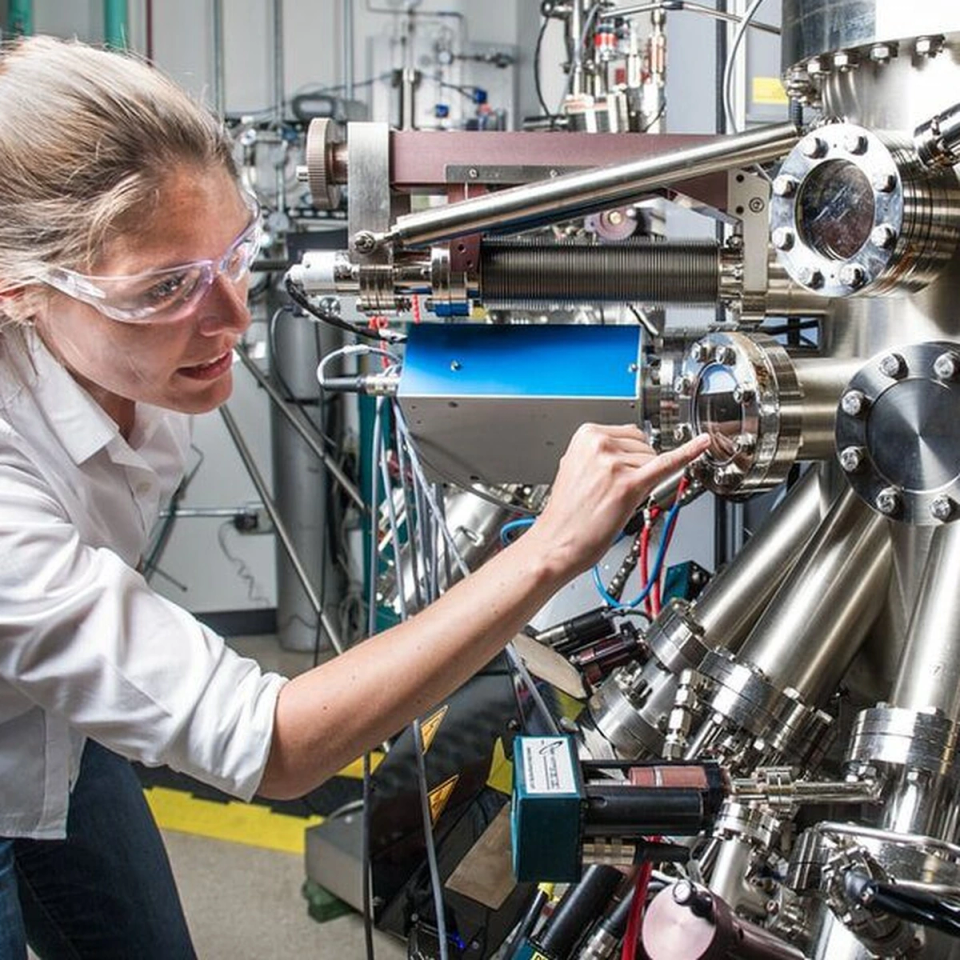
Did you know?
Success in this field typically requires completion of technical training programs or apprenticeships, along with industry-specific certifications in electrical systems and mechanical assembly.
At a glance
Growth
Stable
Top skill
Quality Control Analysis
Things to consider
Strong Manufacturing Industry Demand
The American job market shows consistent demand for electromechanical assemblers in key sectors including automotive, aerospace, and industrial equipment manufacturing.
Safety and Regulatory Compliance
Workers must strictly adhere to OSHA safety regulations and industry standards when handling electrical components and operating assembly equipment in manufacturing environments.
Key responsibilities
Measure parts to determine tolerances, using precision measuring instruments such as micrometers, calipers, and verniers.
Attach name plates and mark identifying information on parts.
Operate or tend automated assembling equipment, such as robotics and fixed automation equipment.
Inspect, test, and adjust completed units to ensure that units meet specifications, tolerances, and customer order requirements.
Connect cables, tubes, and wiring, according to specifications.