Elevator Technicians
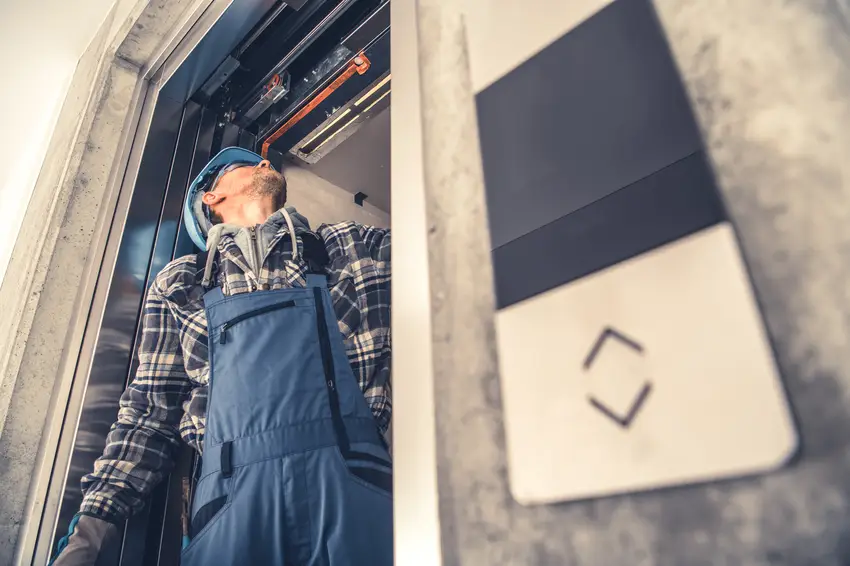
Elevator technicians install, maintain, and repair elevators, escalators, and moving walkways in buildings everywhere. They read blueprints, assemble complex mechanical systems, work with electrical wiring and control panels, and use both hand tools and high-tech diagnostic equipment. This job requires strong problem-solving skills, attention to safety details, and often involves working in teams to ensure these essential transportation systems run smoothly. Many technicians complete apprenticeship programs that combine classroom learning with hands-on experience.
Did you know?
Most states require elevator technicians to obtain specific licenses and certifications, which involve completing apprenticeships or technical training programs and passing examinations.
At a glance
Typical average pay
$106,600 Avg/yr
Growth
Fast growing
Top skill
Equipment Maintenance
Things to consider
Physical Demands and Safety Risks
The job involves working in confined spaces, at heights, and with heavy machinery, requiring good physical condition and strict adherence to safety protocols.
Union Membership Benefits
Many elevator technicians belong to unions like the International Union of Elevator Constructors, which provides better wages, benefits, and job security.
Key responsibilities
Participate in additional training to keep skills up to date.
Operate elevators to determine power demands, and test power consumption to detect overload factors.
Test newly installed equipment to ensure that it meets specifications, such as stopping at floors for set amounts of time.
Inspect wiring connections, control panel hookups, door installations, and alignments and clearances of cars and hoistways to ensure that equipment will operate properly.
Install electrical wires and controls by attaching conduit along shaft walls from floor to floor and pulling plastic-covered wires through the conduit.