Endoscopy Technician Specialists
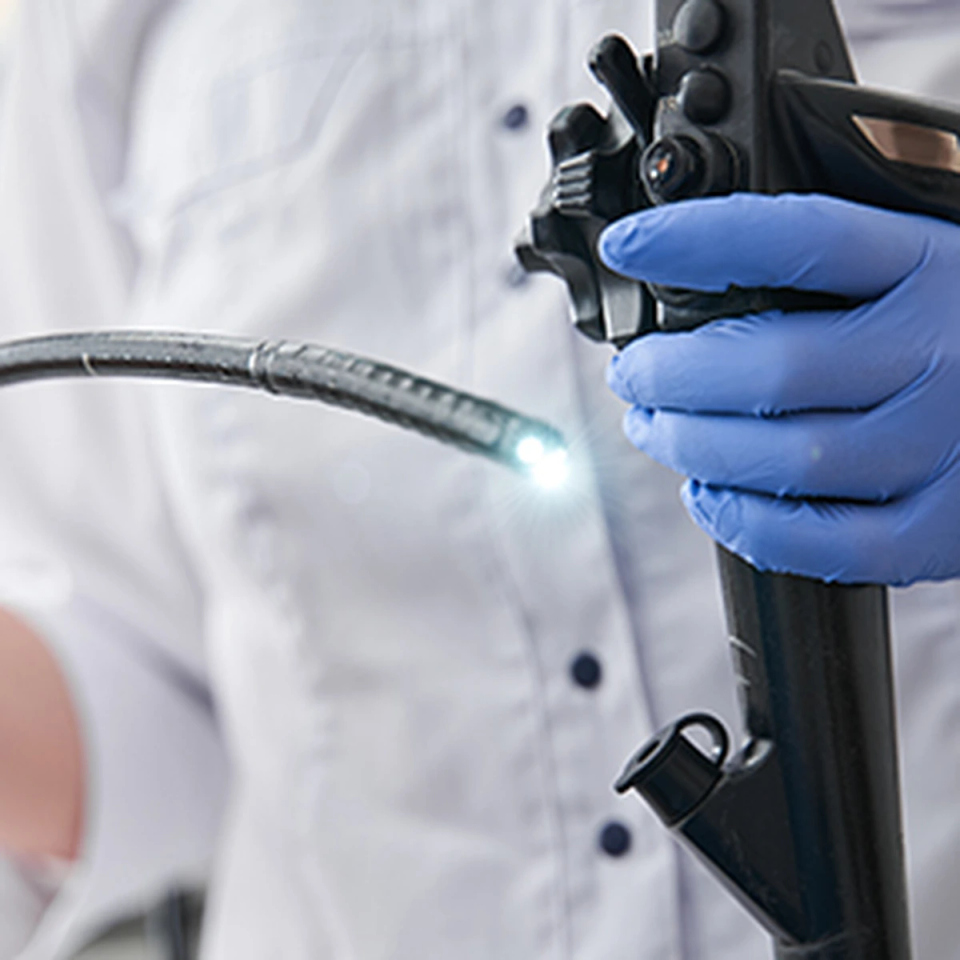
Endoscopy Technician Specialists help doctors and nurses look inside a patient’s body using flexible cameras called endoscopes. They set up the procedure room, prepare and test equipment like scopes, light sources, and video monitors, and place devices such as blood pressure cuffs and pulse oximeters to track the patient’s vital signs. They carefully clean, disinfect, and sometimes repair endoscopic instruments, manage supply inventory, and stay up to date on new safety standards and techniques so each procedure is accurate, safe, and sterile.
Did you know?
Most employers in the US require completion of an accredited endoscopy technician program and certification through organizations like CRCST or CBSPD.
At a glance
Typical average pay
$46,500 Avg/yr
Growth
Fast growing
Top skill
Reading Comprehension
Things to consider
Physical and Emotional Demands
The role involves long periods of standing, exposure to bodily fluids, and working with patients who may be anxious or uncomfortable during procedures.
Growing Job Market
Employment opportunities are expanding due to an aging American population requiring more diagnostic and therapeutic endoscopic procedures.
Key responsibilities
Maintain or repair endoscopic equipment.
Conduct in-service training sessions to disseminate information regarding equipment or instruments.
Place devices, such as blood pressure cuffs, pulse oximeter sensors, nasal cannulas, surgical cautery pads, and cardiac monitoring electrodes, on patients to monitor vital signs.
Position or transport patients in accordance with instructions from medical personnel.
Prepare suites or rooms according to endoscopic procedure requirements.