Engine and Other Machine Assemblers
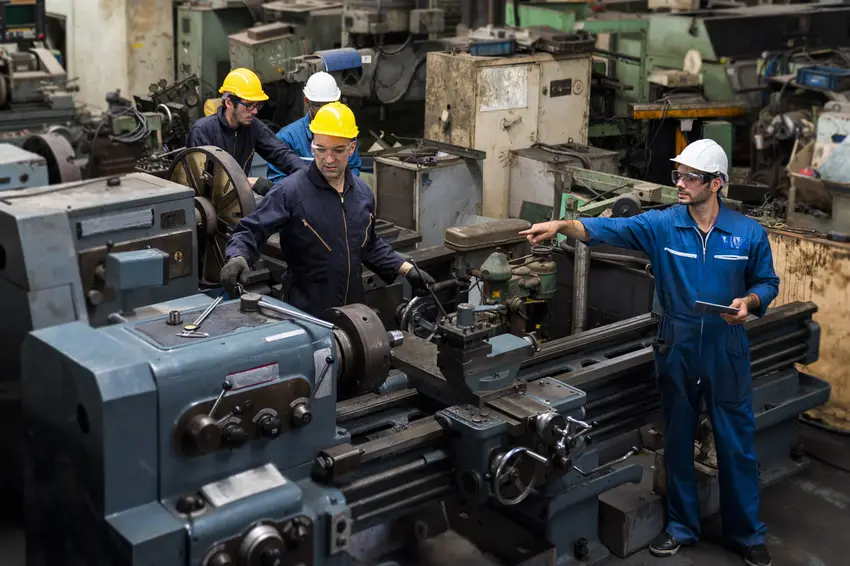
Engine and other machine assemblers build and repair complex machines like engines, turbines, and industrial equipment used in construction, manufacturing, and other industries. You'll read blueprints, use precision tools like calipers and micrometers to measure parts, and assemble components using everything from hand tools to welding equipment. This hands-on career combines technical problem-solving with craftsmanship, often involving teamwork in manufacturing facilities where you'll test your finished products to ensure they meet exact specifications. Many assemblers start with a high school diploma and learn through on-the-job training or technical programs.
Did you know?
Continuous learning of new technologies and automation systems is essential as American manufacturing increasingly adopts advanced machinery and digital tools.
At a glance
Typical average pay
$51,600 Avg/yr
Growth
Stable
Top skill
Operations Monitoring
Things to consider
Physical Demands and Safety
The role requires physical stamina and strict adherence to OSHA safety regulations, as assembly work often involves lifting, standing for long periods, and working with potentially hazardous equipment.
Career Advancement Opportunities
Strong potential for progression to supervisory roles, quality control positions, or specialized technician roles, especially with additional certifications and experience in American manufacturing facilities.
Key responsibilities
Set up and operate metalworking machines, such as milling or grinding machines, to shape or fabricate parts.
Verify conformance of parts to stock lists or blueprints, using measuring instruments such as calipers, gauges, or micrometers.
Assemble systems of gears by aligning and meshing gears in gearboxes.
Position or align components for assembly, manually or using hoists.
Remove rough spots and smooth surfaces to fit, trim, or clean parts, using hand tools or power tools.