Environmental Engineering Technicians
Overview
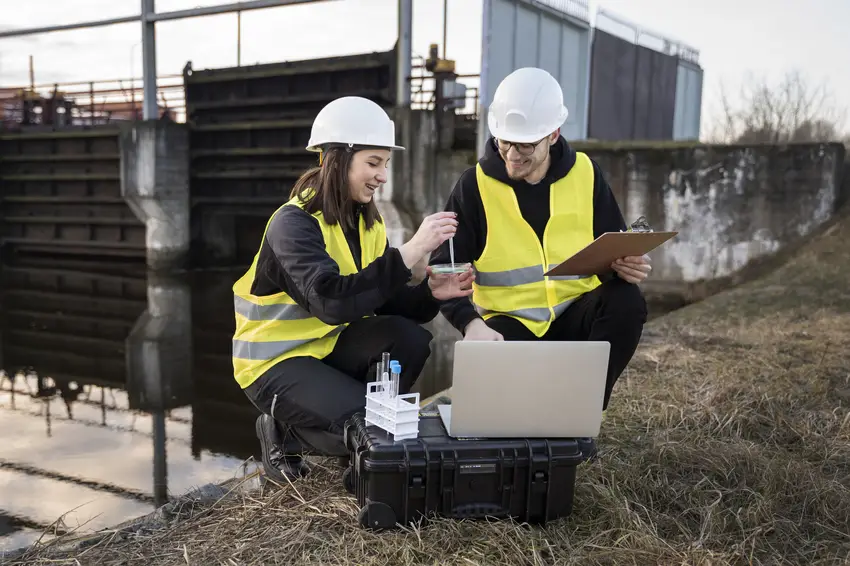
Environmental engineering technicians are the hands-on problem solvers who help protect our planet by setting up and operating equipment that prevents pollution and cleans up contaminated areas. They collect water and soil samples for testing, use computer software to track environmental data, and work with teams to safely dispose of hazardous materials like asbestos and lead. These technicians often work both in laboratories and outdoors, using modern monitoring technology and collaborating with engineers to ensure environmental regulations are met.
Did you know?
Most positions require an associate degree in environmental science or related field, with additional certifications often preferred by employers.
At a Glance
Median Wage
$59,360.43 Avg/yr
Growth
Stable
Top Skill
Science
Key Responsibilities
- Assess the ability of environments to naturally remove or reduce conventional or emerging contaminants from air, water, or soil.
- Maintain process parameters and evaluate process anomalies.
- Obtain product information, identify vendors or suppliers, or order materials or equipment to maintain inventory.
- Record laboratory or field data, including numerical data, test results, photographs, or summaries of visual observations.
- Perform environmental quality work in field or office settings.
- Review work plans to schedule activities.
- Arrange for the disposal of lead, asbestos, or other hazardous materials.
- Prepare and package environmental samples for shipping or testing.
- Create models to demonstrate or predict the process by which pollutants move through or impact an environment.
- Develop work plans, including writing specifications or establishing material, manpower, or facilities needs.
- Work with customers to assess the environmental impact of proposed construction or to develop pollution prevention programs.
- Prepare permit applications or review compliance with environmental permits.
- Evaluate and select technologies to clean up polluted sites, restore polluted air, water, or soil, or rehabilitate degraded ecosystems.
- Improve chemical processes to reduce toxic emissions.
- Review technical documents to ensure completeness and conformance to requirements.
- Assist in the cleanup of hazardous material spills.
- Inspect facilities to monitor compliance with regulations governing substances, such as asbestos, lead, or wastewater.
- Collect and analyze pollution samples, such as air or ground water.
- Decontaminate or test field equipment used to clean or test pollutants from soil, air, or water.
- Oversee support staff.
- Produce environmental assessment reports, tabulating data and preparing charts, graphs, or sketches.
- Model biological, chemical, or physical treatment processes to remove or degrade pollutants.
- Perform statistical analysis and correction of air or water pollution data submitted by industry or other agencies.
- Maintain project logbook records or computer program files.
- Provide technical engineering support in the planning of projects, such as wastewater treatment plants, to ensure compliance with environmental regulations and policies.
- Receive, set up, test, or decontaminate equipment.
Career Considerations
Educational Requirements and Certifications
Most positions require an associate degree in environmental science or related field, with additional certifications often preferred by employers.
Regulatory Compliance Knowledge
Professionals must stay current with complex federal and state environmental regulations including EPA standards and OSHA safety requirements.
Job Market Stability
Employment opportunities are closely tied to government environmental policies and corporate sustainability initiatives, creating variable demand across different regions.