
Exercise Physiologists

Overview

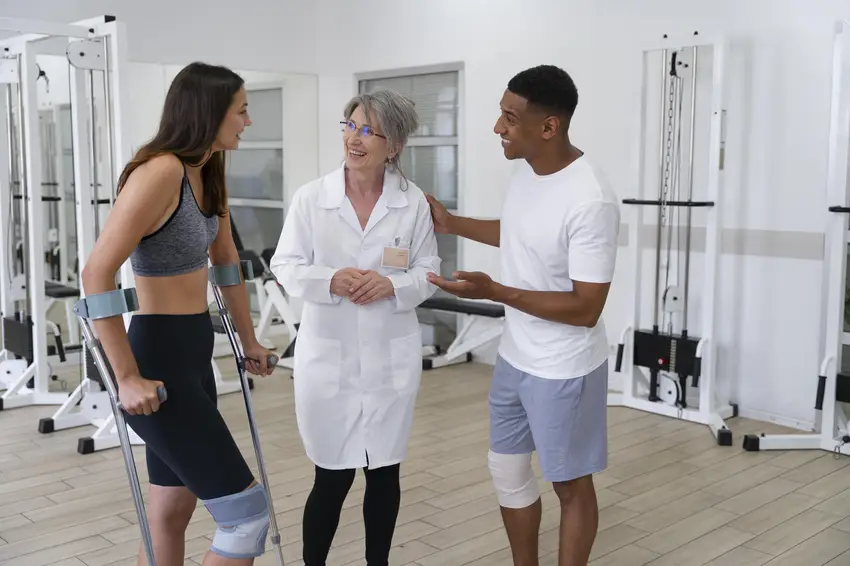
Exercise physiologists help people recover from chronic diseases and improve their health through personalized fitness programs. They use advanced medical equipment to perform stress tests and monitor vital signs like heart rate, blood pressure, and oxygen levels during exercise. These healthcare professionals analyze patients' medical histories to create safe, effective workout plans that boost cardiovascular health and flexibility. Many work in hospitals, rehabilitation centers, or sports medicine clinics, collaborating with doctors and other healthcare teams to get patients back to their best physical condition.
Exercise Physiologists

Did you know?

Most positions require a bachelor's degree in exercise science or related field, with many employers preferring clinical exercise physiology certification from organizations like ACSM.

At a Glance

Median Wage

$57,427.62 Avg/yr

Growth

Fast Growing

Top Skill

Reading Comprehension

Key Responsibilities

  • Develop exercise programs to improve participant strength, flexibility, endurance, or circulatory functioning, in accordance with exercise science standards, regulatory requirements, and credentialing requirements.
  • Recommend methods to increase lifestyle physical activity.
  • Educate athletes or coaches on techniques to improve athletic performance, such as heart rate monitoring, recovery techniques, hydration strategies, or training limits.
  • Assess physical performance requirements to aid in the development of individualized recovery or rehabilitation exercise programs.
  • Teach group exercise for low-, medium-, or high-risk clients to improve participant strength, flexibility, endurance, or circulatory functioning.
  • Perform routine laboratory tests of blood samples for cholesterol level or glucose tolerance.
  • Evaluate staff performance in leading group exercise or conducting diagnostic tests.
  • Teach courses or seminars related to exercise or diet for patients, athletes, or community groups.
  • Explain exercise program or physiological testing procedures to participants.
  • Interview participants to obtain medical history or assess participant goals.
  • Order or recommend diagnostic procedures, such as stress tests, drug screenings, or urinary tests.
  • Provide clinical oversight of exercise for participants at all risk levels.
  • Demonstrate correct use of exercise equipment or performance of exercise routines.
  • Measure amount of body fat, using such equipment as hydrostatic scale, skinfold calipers, or tape measures.
  • Measure oxygen consumption or lung functioning, using spirometers.
  • Supervise maintenance of exercise or exercise testing equipment.
  • Interpret exercise program participant data to evaluate progress or identify needed program changes.
  • Provide emergency or other appropriate medical care to participants with symptoms or signs of physical distress.
  • Present exercise knowledge, program information, or research study findings at professional meetings or conferences.
  • Conduct stress tests, using electrocardiograph (EKG) machines.
  • Calibrate exercise or testing equipment.
  • Plan or conduct exercise physiology research projects.
  • Teach behavior modification classes related to topics such as stress management or weight control.
  • Mentor or train staff to lead group exercise.
  • Prescribe individualized exercise programs, specifying equipment, such as treadmill, exercise bicycle, ergometers, or perceptual goggles.

Career Considerations

Education and Certification Requirements

Most positions require a bachelor's degree in exercise science or related field, with many employers preferring clinical exercise physiology certification from organizations like ACSM.

Employment Settings and Job Market

Exercise physiologists work primarily in hospitals, cardiac rehabilitation centers, fitness facilities, and research institutions with growing demand in healthcare settings due to increased focus on preventive care.

Professional Development and Licensing

Continuous education and maintaining certifications are essential for career advancement, and some states require licensure to practice in clinical settings.

Want to dig deeper?

Talk to blinky to learn more.

Start chatting
BETA
New York

25 Kent Ave, Suite 401
Brooklyn, NY
11249


North Carolina

204 N Person
Street. Raleigh, NC
27601

Australia

Level 4/80
Wentworth Ave,
Surry Hills,
Sydney, 2010