Extrusion Machine Operators
Extrusion machine operators run specialized equipment that shapes heated plastic and metal materials into everyday products like pipes, wires, and structural components. You'll set up machines, monitor temperature and pressure controls, and inspect finished products to ensure they meet quality standards. This hands-on manufacturing role combines technical skills with problem-solving as you troubleshoot equipment, change machine parts, and work with computer-controlled systems. Many operators work in modern factories with opportunities for advancement and technical training programs.
Did you know?
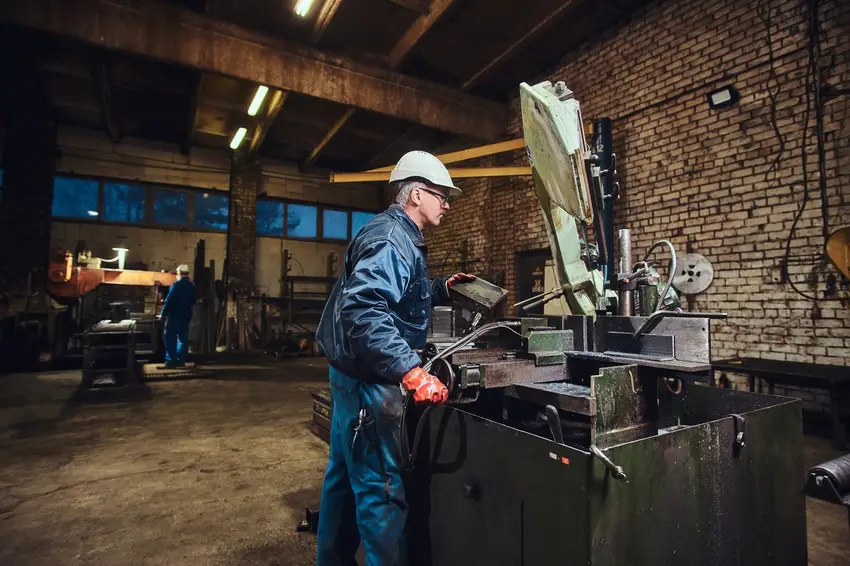
This occupation requires adherence to strict safety protocols and involves physically demanding work with heavy machinery, making safety training and physical fitness essential.
At a glance
Typical average pay
$47,300 Avg/yr
Growth
Stable
Top skill
Operations Monitoring
Things to consider
Technical Training Requirements
Workers typically need vocational training or apprenticeships to learn machine operation, maintenance, and quality control procedures specific to extrusion and drawing processes.
Industry Automation Impact
The field faces ongoing automation trends that may reduce job opportunities while increasing demand for workers with advanced technical skills and machine programming abilities.
Key responsibilities
Start machines and set controls to regulate vacuum, air pressure, sizing rings, and temperature, and to synchronize speed of extrusion.
Maintain an inventory of materials.
Operate shearing mechanisms to cut rods to specified lengths.
Install dies, machine screws, and sizing rings on machines that extrude thermoplastic or metal materials.
Measure and examine extruded products to locate defects and to check for conformance to specifications, adjusting controls as necessary to alter products.