Fallers
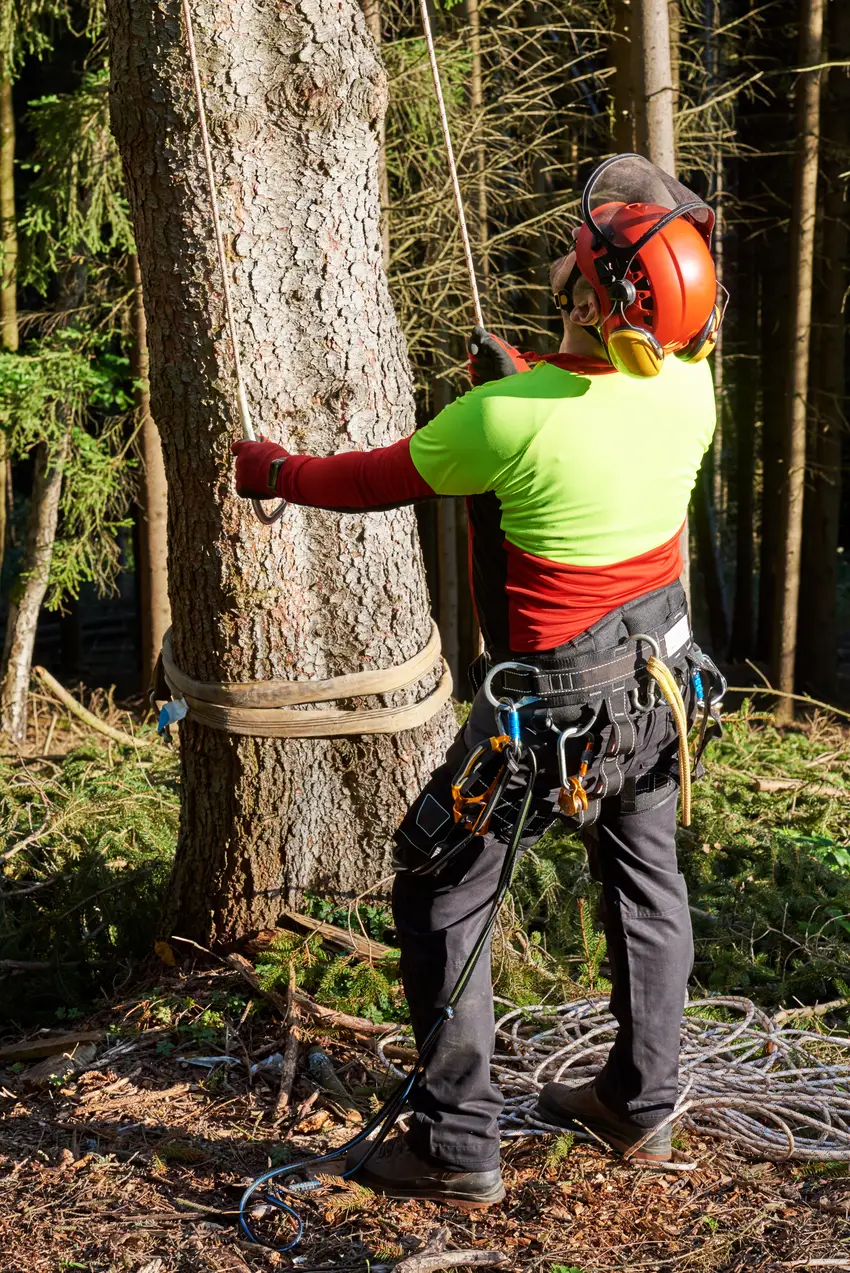
Fallers are skilled forestry workers who safely cut down trees using chainsaws and axes in logging operations. They use precise cutting techniques and mathematical calculations to control exactly where and how trees fall, preventing damage to surrounding forest and equipment. This physically demanding outdoor job requires strong problem-solving skills, attention to safety protocols, and the ability to work as part of a forestry team. Modern fallers use advanced safety gear, GPS technology for mapping, and work closely with environmental scientists to ensure sustainable logging practices.
Did you know?
Work is heavily concentrated during autumn months, requiring careful planning for year-round income and project continuity.
At a glance
Typical average pay
$55,900 Avg/yr
Growth
Stable
Top skill
Operation and Control
Things to consider
Grant Funding Alignment
Federal and state research grants often follow academic calendars, making fall application deadlines critical for securing funding.
Geographic Specialization
Career opportunities are concentrated in regions with distinct fall seasons, particularly the Northeast, Midwest, and mountain states.
Key responsibilities
Control the direction of a tree's fall by scoring cutting lines with axes, sawing undercuts along scored lines with chainsaws, knocking slabs from cuts with single-bit axes, and driving wedges.
Stop saw engines, pull cutting bars from cuts, and run to safety as tree falls.
Maintain and repair chainsaws and other equipment, cleaning, oiling, and greasing equipment, and sharpening equipment properly.
Appraise trees for certain characteristics, such as twist, rot, and heavy limb growth, and gauge amount and direction of lean, to determine how to control the direction of a tree's fall with the least damage.
Load logs or wood onto trucks, trailers, or railroad cars, by hand or using loaders or winches.