Farm and Home Management Educators
Farm and Home Management Educators teach people how to run successful farms and manage their homes more effectively. They work with families and individuals to share the latest research on topics like sustainable farming techniques, food safety, budgeting, nutrition, and child development. Using modern technology like digital presentations, online platforms, and mobile apps, they create educational programs and workshops that help communities thrive. This career combines teaching skills with practical knowledge, and you can pursue it through degrees in agriculture, education, or family and consumer sciences.
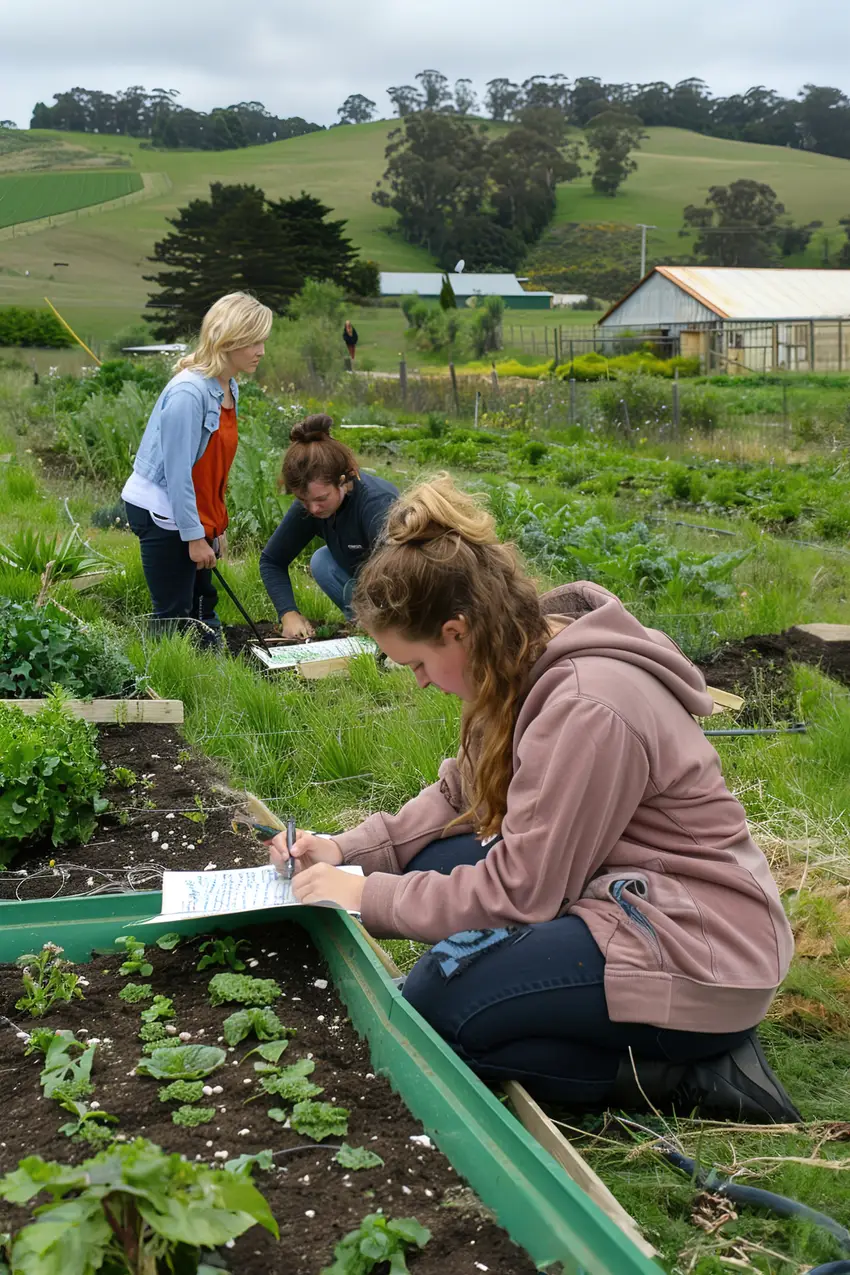
Did you know?
Most sustainability educator positions in the US require a bachelor's degree in environmental science, education, or related field, with many employers preferring additional certifications in sustainability or environmental education.
At a glance
Typical average pay
$61,100 Avg/yr
Growth
Stable
Top skill
Active Listening
Things to consider
Diverse Employment Sectors
Career opportunities exist across various sectors including K-12 schools, universities, non-profit organizations, government agencies, and corporate sustainability departments.
Continuous Professional Development
Staying current with evolving sustainability practices, regulations, and teaching methodologies is essential for career advancement and effectiveness in this rapidly changing field.
Key responsibilities
Collaborate with producers to diagnose and prevent management and production problems.
Research information requested by farmers.
Act as an advocate for farmers or farmers' groups.
Maintain records of services provided and the effects of advice given.
Prepare and distribute leaflets, pamphlets, and visual aids for educational and informational purposes.