File Clerk
File clerks organize and manage important documents and records for businesses, making sure everything is stored in the right place so people can find what they need quickly. They use both physical filing systems and computer databases to scan, sort, and input information like invoices, correspondence, and receipts. This job involves a mix of hands-on organizing and digital skills, including data entry, generating reports, and using office technology. File clerks work in collaborative office environments and play a crucial role in keeping businesses running smoothly by maintaining organized, accessible records.
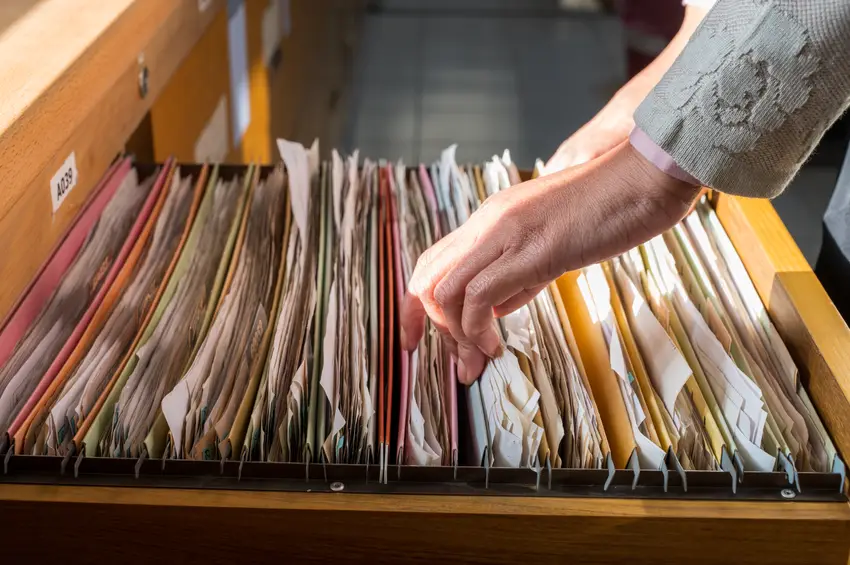
Did you know?
The demand for file clerks in the U.S. is decreasing as organizations increasingly adopt digital document management systems and automated filing processes.
At a glance
Typical average pay
$41,200 Avg/yr
Growth
Stable
Top skill
Reading Comprehension
Things to consider
Digital Skills Requirement
Modern file clerks must be proficient with electronic document management systems, databases, and digital filing software to remain competitive in the American job market.
Limited Career Advancement
File clerk positions typically offer minimal upward mobility without additional education or skills training in areas like data analysis, office administration, or specialized software.
Key responsibilities
Eliminate outdated or unnecessary materials, destroying them or transferring them to inactive storage, according to file maintenance guidelines or legal requirements.
Modify or improve filing systems or implement new filing systems.
Track materials removed from files to ensure that borrowed files are returned.
Answer questions about records or files.
Find, retrieve, and make copies of information from files in response to requests and deliver information to authorized users.