Fine Artists
Overview
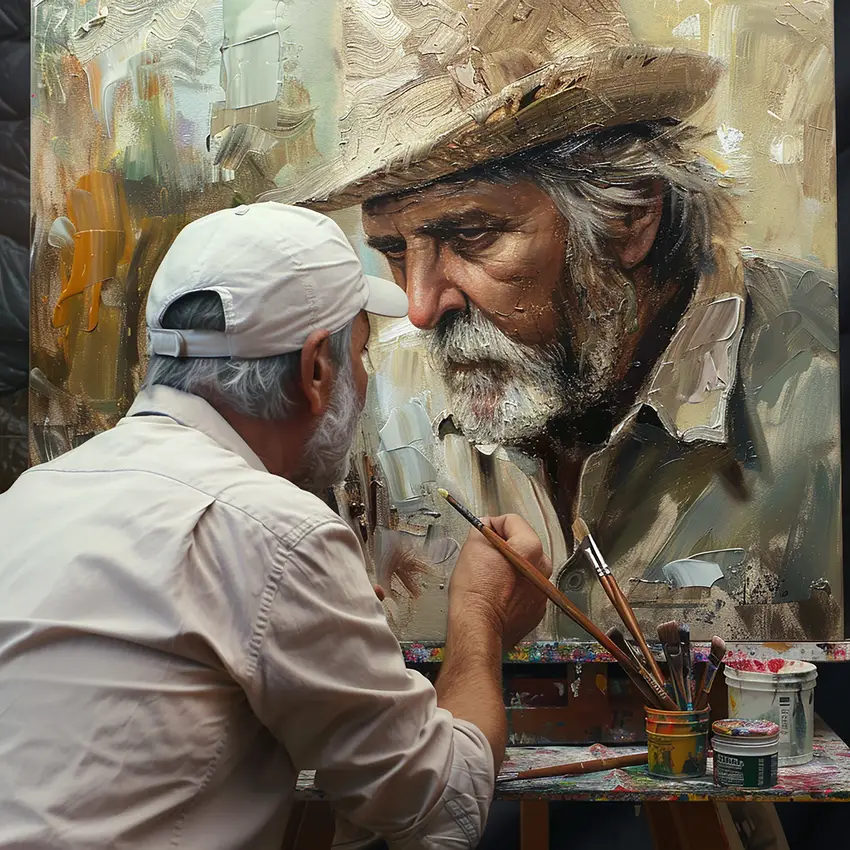
Fine artists create original artwork like paintings, sculptures, and illustrations using various materials and techniques including traditional methods like painting and sculpting, as well as modern digital tools. They develop their own creative ideas, work with different materials based on color and texture, and use visual techniques like composition and perspective to create stunning pieces. Artists build portfolios to showcase their work and display their creations in galleries, museums, online marketplaces, and craft fairs. This career combines creativity with business skills, as artists often write grant proposals for funding and may work independently or collaborate with galleries and other artists.
Did you know?
Visual artists in America often face irregular income streams, making financial planning and developing multiple revenue sources essential for long-term career sustainability.
At a Glance
Median Wage
$56,027.37 Avg/yr
Growth
Stable
Top Skill
Management of Material Resources
Key Responsibilities
- Provide entertainment at special events by performing activities such as drawing cartoons.
- Render drawings, illustrations, and sketches of buildings, manufactured products, or models, working from sketches, blueprints, memory, models, or reference materials.
- Use materials such as pens and ink, watercolors, charcoal, oil, or computer software to create artwork.
- Set up exhibitions of artwork for display or sale.
- Brush or spray protective or decorative finishes on completed background panels, informational legends, exhibit accessories, or finished paintings.
- Monitor events, trends, and other circumstances, research specific subject areas, attend art exhibitions, and read art publications to develop ideas and keep current on art world activities.
- Teach artistic techniques to children or adults.
- Create finished art work as decoration, or to elucidate or substitute for spoken or written messages.
- Develop project budgets for approval, estimating time lines and material costs.
- Collaborate with engineers, mechanics, and other technical experts as necessary to build and install creations.
- Market artwork through brochures, mailings, or Web sites.
- Create sculptures, statues, and other three-dimensional artwork by using abrasives and tools to shape, carve, and fabricate materials such as clay, stone, wood, or metal.
- Submit preliminary or finished artwork or project plans to clients for approval, incorporating changes as necessary.
- Model substances such as clay or wax, using fingers and small hand tools to form objects.
- Integrate and develop visual elements, such as line, space, mass, color, and perspective, to produce desired effects, such as the illustration of ideas, emotions, or moods.
- Apply solvents and cleaning agents to clean surfaces of paintings, and to remove accretions, discolorations, and deteriorated varnish.
- Create sketches, profiles, or likenesses of posed subjects or photographs, using any combination of freehand drawing, mechanical assembly kits, and computer imaging.
- Submit artwork to shows or galleries.
- Confer with clients, editors, writers, art directors, and other interested parties regarding the nature and content of artwork to be produced.
- Create and prepare sketches and model drawings of cartoon characters, providing details from memory, live models, manufactured products, or reference materials.
- Frame and mat artwork for display or sale.
- Study different techniques to learn how to apply them to artistic endeavors.
- Trace drawings onto clear acetate for painting or coloring, or trace them with ink to make final copies.
- Cut, bend, laminate, arrange, and fasten individual or mixed raw and manufactured materials and products to form works of art.
- Collaborate with writers who create ideas, stories, or captions that are combined with artists' work.
- Shade and fill in sketch outlines and backgrounds, using a variety of media such as water colors, markers, and transparent washes, labeling designated colors when necessary.
- Photograph objects, places, or scenes for reference material.
- Maintain portfolios of artistic work to demonstrate styles, interests, and abilities.
Career Considerations
Financial Planning and Income Stability
Visual artists in America often face irregular income streams, making financial planning and developing multiple revenue sources essential for long-term career sustainability.
Networking and Self-Promotion
Success in the American art market heavily depends on building professional relationships, maintaining an online presence, and actively promoting one's work through galleries, social media, and art communities.
Education and Skill Diversification
While formal art education can provide valuable credentials and connections, continuously developing both traditional and digital skills is crucial for adapting to evolving market demands in the US.