Fire Prevention and Protection Engineers
Fire Prevention and Protection Engineers design ways to keep buildings, factories, stadiums, and even ships safe from fires and explosions. They study how and why fires start, choose fire-resistant materials, and design systems such as sprinklers, smoke detectors, and alarm networks using tools like CAD software and building codes. They also review blueprints, advise architects and city officials, and make big decisions about safety rules so that people can escape quickly and property stays protected if a fire happens.
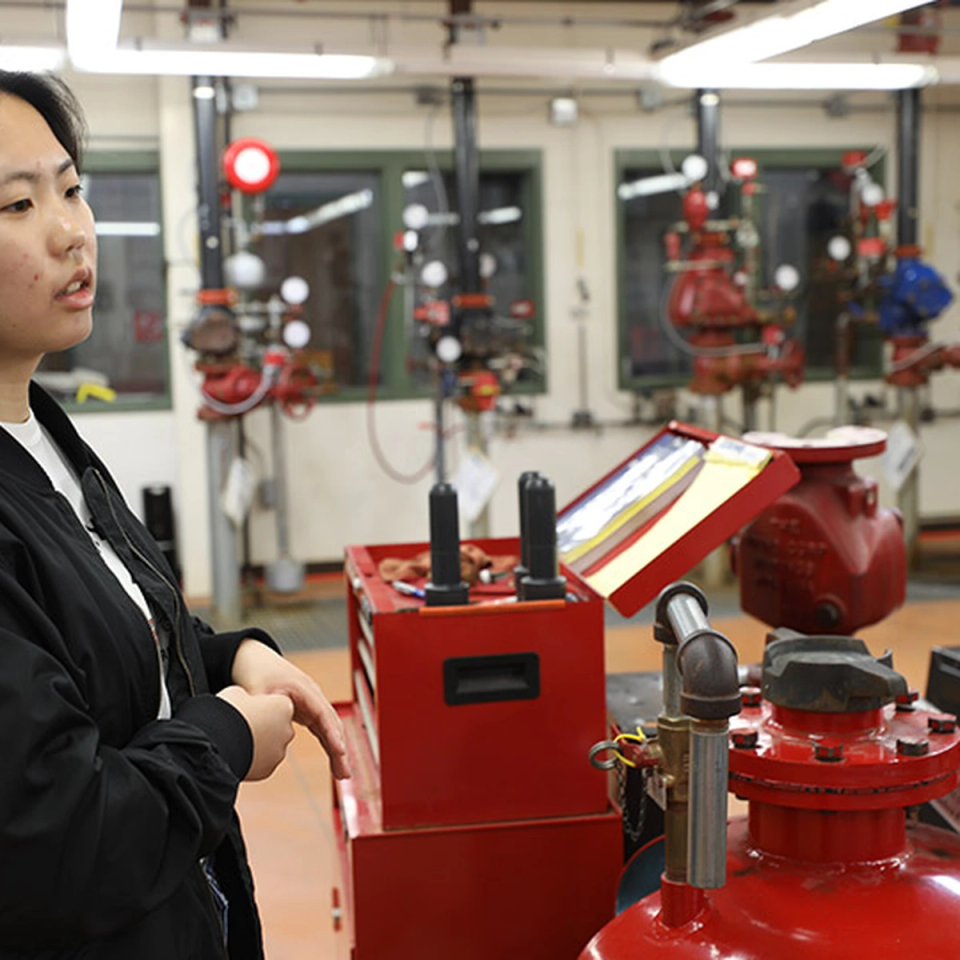
Did you know?
Fire protection engineers in the US must master complex federal and state fire codes (NFPA standards) and typically need Professional Engineer (PE) licensure to practice independently.
At a glance
Typical average pay
$104,300 Avg/yr
Growth
Fast growing
Top skill
Critical Thinking
Things to consider
Growing Market Demand
The profession benefits from increasing emphasis on building safety, insurance risk management, and adoption of performance-based fire protection design methods.
Specialized Education and Continuous Learning
Most positions require an engineering degree with fire protection specialization and ongoing professional development to stay current with evolving codes and emerging technologies.
Key responsibilities
Attend workshops, seminars, or conferences to present or obtain information regarding fire prevention and protection.
Study the relationships between ignition sources and materials to determine how fires start.
Direct the purchase, modification, installation, testing, maintenance, and operation of fire prevention and protection systems.
Advise architects, builders, and other construction personnel on fire prevention equipment and techniques and on fire code and standard interpretation and compliance.
Evaluate fire department performance and the laws and regulations affecting fire prevention or fire safety.