
Fishing and Hunting Workers

Overview

Fishing and hunting workers catch fish and trap wild animals for food, research, and wildlife management purposes. They operate boats with GPS and navigation equipment, maintain fishing gear and traps, and work closely with landowners and wildlife agencies. This outdoor career involves tracking animals, processing catches, and participating in conservation efforts that help maintain healthy ecosystems. Many workers combine traditional outdoor skills with modern technology like sonar fish finders and digital mapping systems.
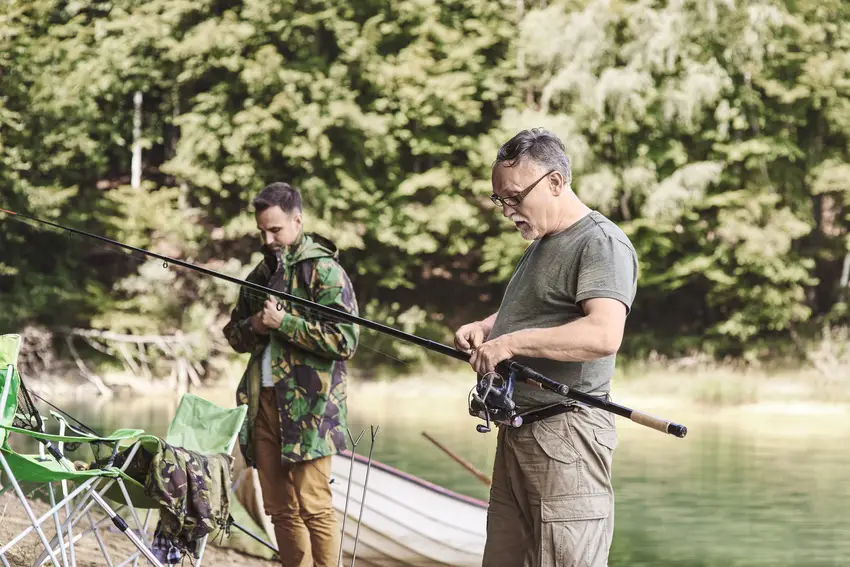
Fishing and Hunting Workers

Did you know?

Most fishing and hunting work is highly seasonal, requiring workers to plan for income fluctuations and potentially seek alternative employment during off-seasons.

At a Glance

Growth

Stable

Top Skill

Management of Financial Resources

Key Responsibilities

  • Connect accessories such as floats, weights, flags, lights, or markers to nets, lines, or traps.
  • Kill or stun trapped quarry, using clubs, poisons, guns, or drowning methods.
  • Remove catches from fishing equipment and measure them to ensure compliance with legal size.
  • Skin quarry, using knives, and stretch pelts on frames to be cured.
  • Attach nets, slings, hooks, blades, or lifting devices to cables, booms, hoists, or dredges.
  • Teach or guide individuals or groups unfamiliar with specific hunting methods or types of prey.
  • Obtain permission from landowners to hunt or trap on their land.
  • Scrape fat, blubber, or flesh from skin sides of pelts with knives or hand scrapers.
  • Track animals by checking for signs such as droppings or destruction of vegetation.
  • Direct fishing or hunting operations, and supervise crew members.
  • Oversee the purchase of supplies, gear, and equipment.
  • Locate fish, using fish-finding equipment.
  • Release quarry from traps or nets and transfer to cages.
  • Transport fish to processing plants or to buyers.
  • Maintain engines, fishing gear, and other on-board equipment and perform minor repairs.
  • Maintain and repair trapping equipment.
  • Sort, pack, and store catch in holds with salt and ice.
  • Interpret weather and vessel conditions to determine appropriate responses.
  • Put fishing equipment into the water and anchor or tow equipment, according to the fishing method used.
  • Select, bait, and set traps, and lay poison along trails, according to species, size, habits, and environs of birds or animals and reasons for trapping them.
  • Patrol trap lines or nets to inspect settings, remove catch, and reset or relocate traps.
  • Travel on foot, by vehicle, or by equipment such as boats, snowmobiles, helicopters, snowshoes, or skis to reach hunting areas.
  • Participate in animal damage control, wildlife management, disease control, and research activities.
  • Steer vessels and operate navigational instruments.
  • Harvest marine life for human or animal consumption, using diving or dredging equipment, traps, barges, rods, reels, or tackle.
  • Load and unload vessel equipment and supplies, by hand or using hoisting equipment.
  • Wash decks, conveyors, knives, and other equipment, using brushes, detergents, and water.
  • Compute positions and plot courses on charts to navigate vessels, using instruments such as compasses, sextants, and charts.
  • Obtain required approvals for using poisons or traps, and notify persons in areas where traps and poison are set.

Career Considerations

Seasonal Employment Patterns

Most fishing and hunting work is highly seasonal, requiring workers to plan for income fluctuations and potentially seek alternative employment during off-seasons.

Physical Demands and Safety Risks

The occupation involves strenuous physical labor in challenging outdoor conditions with inherent safety hazards that require proper training and equipment.

Regulatory Compliance Requirements

Workers must navigate complex federal and state regulations regarding licenses, quotas, and conservation laws that can significantly impact employment opportunities.

Want to dig deeper?

Talk to blinky to learn more.

Start chatting
BETA
New York

25 Kent Ave, Suite 401
Brooklyn, NY
11249


North Carolina

204 N Person
Street. Raleigh, NC
27601

Australia

Level 4/80
Wentworth Ave,
Surry Hills,
Sydney, 2010