Floor Layers
Floor layers install various types of flooring materials like carpet, vinyl, hardwood, and tile in homes, offices, and other buildings. They prepare surfaces by cleaning, measuring, and smoothing foundations, then cut and fit materials precisely using modern tools like laser levels and pneumatic staplers. This hands-on career requires strong math skills, attention to detail, and physical stamina, with many professionals learning through trade school programs or apprenticeships. Floor layers often work on diverse projects from residential renovations to large commercial spaces, collaborating with contractors and interior designers.
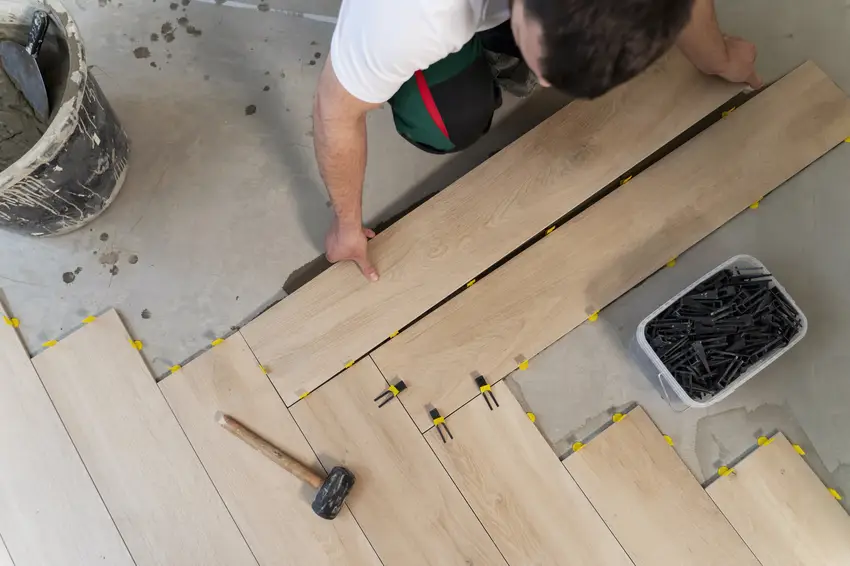
Did you know?
This occupation requires significant physical stamina, kneeling, and lifting, with emphasis on workplace safety protocols to prevent injuries from tools and adhesives.
At a glance
Typical average pay
$51,900 Avg/yr
Growth
Fast growing
Top skill
Active Listening
Things to consider
Evolving Materials and Installation Techniques
Staying current with new flooring materials like luxury vinyl planks and eco-friendly options is essential for competitiveness in the American market.
Certification and Specialized Training
Obtaining manufacturer certifications and specialized training in different flooring systems can significantly enhance earning potential and job opportunities.
Key responsibilities
Measure and mark guidelines on surfaces or foundations, using chalk lines and dividers.
Roll and press sheet wall and floor covering into cement base to smooth and finish surface, using hand roller.
Sweep, scrape, sand, or chip dirt and irregularities to clean base surfaces, correcting imperfections that may show through the covering.
Cut flooring material to fit around obstructions.
Trim excess covering materials, tack edges, and join sections of covering material to form tight joint.