Food Preparation Workers
Overview
Food preparation workers help get ingredients ready for cooking in restaurants, cafeterias, and other food service places. They handle tasks like cutting vegetables, slicing meats, mixing salads, brewing coffee, and keeping everything clean and properly stored using commercial kitchen equipment. This work involves following strict food safety protocols, monitoring temperatures, and working as part of a team in fast-paced environments. Many people start in food prep to learn essential kitchen skills and can advance to cooking positions or food service management roles.
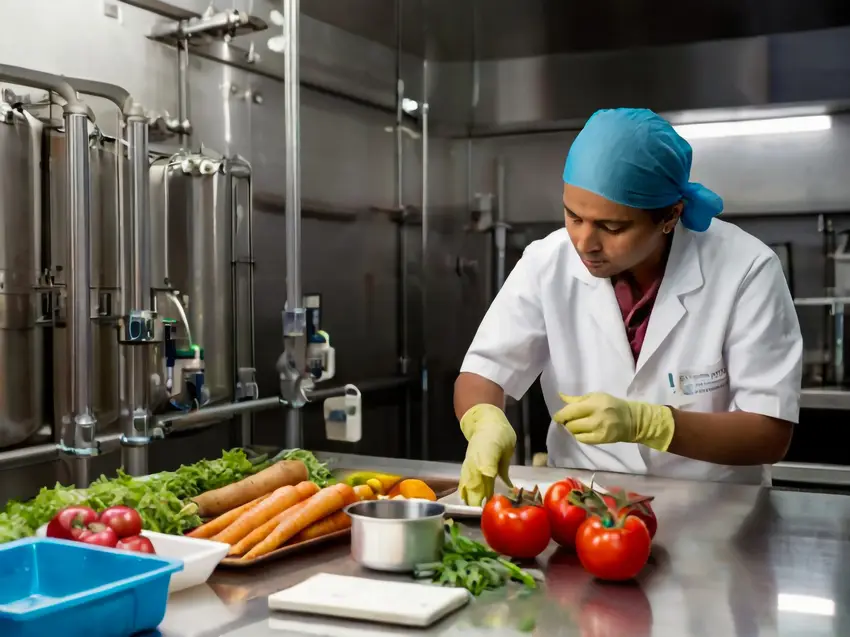
Did you know?
Food prep specialists must be prepared for physically demanding work including long hours standing, repetitive cutting motions, and exposure to sharp tools and hot surfaces in fast-paced kitchen environments.
At a Glance
Median Wage
$32,472.55 Avg/yr
Growth
Stable
Top Skill
Reading Comprehension
Key Responsibilities
- Vacuum dining area and sweep and mop kitchen floor.
- Distribute menus to hospital patients, collect diet sheets, and deliver food trays and snacks to nursing units or directly to patients.
- Make special dressings and sauces as condiments for sandwiches.
- Prepare and serve a variety of beverages, such as coffee, tea, and soft drinks.
- Clean and sanitize work areas, equipment, utensils, dishes, or silverware.
- Distribute food to waiters and waitresses to serve to customers.
- Receive and store food supplies, equipment, and utensils in refrigerators, cupboards, and other storage areas.
- Package take-out foods or serve food to customers.
- Inform supervisors when equipment is not working properly and when food and supplies are getting low, and order needed items.
- Stir and strain soups and sauces.
- Use manual or electric appliances to clean, peel, slice, and trim foods.
- Take and record temperature of food and food storage areas, such as refrigerators and freezers.
- Assist cooks and kitchen staff with various tasks as needed, and provide cooks with needed items.
- Operate cash register, handle money, and give correct change.
- Wash, peel, and cut various foods, such as fruits and vegetables, to prepare for cooking or serving.
- Cut, slice or grind meat, poultry, and seafood to prepare for cooking.
- Scrape leftovers from dishes into garbage containers.
- Store food in designated containers and storage areas to prevent spoilage.
- Place food trays over food warmers for immediate service, or store them in refrigerated storage cabinets.
- Weigh or measure ingredients.
- Carry food supplies, equipment, and utensils to and from storage and work areas.
- Remove trash and clean kitchen garbage containers.
- Assemble meal trays with foods in accordance with patients' diets.
- Butcher and clean fowl, fish, poultry, and shellfish to prepare for cooking or serving.
- Add cutlery, napkins, food, and other items to trays on assembly lines in hospitals, cafeterias, airline kitchens, and similar establishments.
- Load dishes, glasses, and tableware into dishwashing machines.
- Mix ingredients for green salads, molded fruit salads, vegetable salads, and pasta salads.
- Stock cupboards and refrigerators, and tend salad bars and buffet meals.
- Prepare a variety of foods, such as meats, vegetables, or desserts, according to customers' orders or supervisors' instructions, following approved procedures.
- Keep records of the quantities of food used.
- Portion and wrap food, or place it directly on plates for service to patrons.
Career Considerations
Physical Demands and Safety
Food prep specialists must be prepared for physically demanding work including long hours standing, repetitive cutting motions, and exposure to sharp tools and hot surfaces in fast-paced kitchen environments.
Career Advancement Opportunities
This entry-level position serves as a stepping stone to higher culinary roles such as line cook, sous chef, or head chef with experience and additional culinary training.
Food Safety Certification Requirements
Most states require food handler certifications and knowledge of FDA/USDA guidelines, making compliance with American food safety regulations essential for employment and advancement.