Food Scientists and Technologists
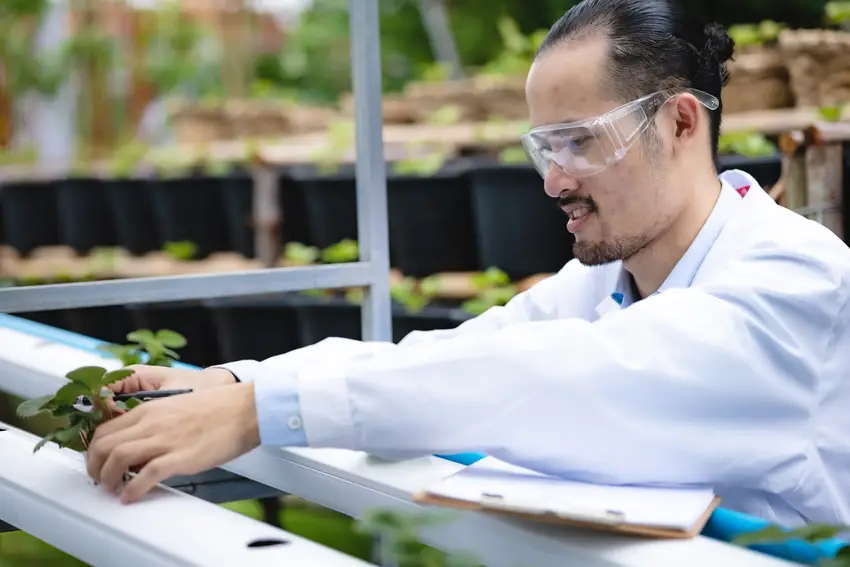
Food scientists and technologists use chemistry, microbiology, and engineering to make sure the food we eat is safe, tasty, and nutritious. They test ingredients and finished products, work with teams of engineers and specialists to solve problems, and develop new food standards and safety regulations. Using modern lab equipment and computer software, they improve everything from flavor and texture to nutritional value, often collaborating across different departments in food companies, research labs, or government agencies. A bachelor's degree in food science, chemistry, or biology is typically required, with many professionals working in hybrid environments that combine lab work with office collaboration.
Did you know?
Most positions require a bachelor's degree in food science or related field, with many employers preferring candidates who have completed programs accredited by the Institute of Food Technologists (IFT).
At a glance
Typical average pay
$81,800 Avg/yr
Growth
Fast growing
Top skill
Active Learning
Things to consider
FDA Regulatory Knowledge
Professionals must stay current with FDA regulations and food safety standards, as compliance is critical for product development and market approval in the United States.
Diverse Industry Opportunities
Career paths span across major food corporations, government agencies like the USDA, research institutions, and emerging food technology startups throughout the American market.
Key responsibilities
Develop new food items for production, based on consumer feedback.
Confer with process engineers, plant operators, flavor experts, and packaging and marketing specialists to resolve problems in product development.
Develop food standards and production specifications, safety and sanitary regulations, and waste management and water supply specifications.
Stay up to date on new regulations and current events regarding food science by reviewing scientific literature.
Develop new or improved ways of preserving, processing, packaging, storing, and delivering foods, using knowledge of chemistry, microbiology, and other sciences.