Forest and Conservation Workers
Forest and Conservation Workers help protect and improve forests, wetlands, and rangelands by working closely with scientists and foresters. They select trees for harvesting, supervise tree planting and nursery operations, map forest areas using GPS technology, and train teams to fight forest fires and maintain recreational facilities. These workers also monitor logging companies, keep detailed records, and educate the public about fire safety and environmental protection. This career combines outdoor work with technology and offers opportunities to make a real impact on environmental conservation.
Did you know?
Most positions require a bachelor's degree in forestry or natural resources, with many employers preferring candidates certified by the Society of American Foresters.
At a glance
Typical average pay
$41,900 Avg/yr
Growth
Stable
Top skill
Monitoring
Things to consider
Physical Demands and Outdoor Work Environment
The role involves extensive fieldwork in various weather conditions and remote locations, requiring strong physical fitness and comfort with outdoor environments.
Competitive Entry-Level Market with Growth Potential
While entry-level positions can be highly competitive, the field offers advancement opportunities into specialized roles such as fire management, wildlife conservation, or forest management leadership.
Key responsibilities
Provide assistance to forest survey crews by clearing site-lines, holding measuring tools, or setting stakes.
Identify diseased or undesirable trees and remove them, using power saws or hand saws.
Spray or inject vegetation with insecticides to kill insects or to protect against disease or with herbicides to reduce competing vegetation.
Thin or space trees, using power thinning saws.
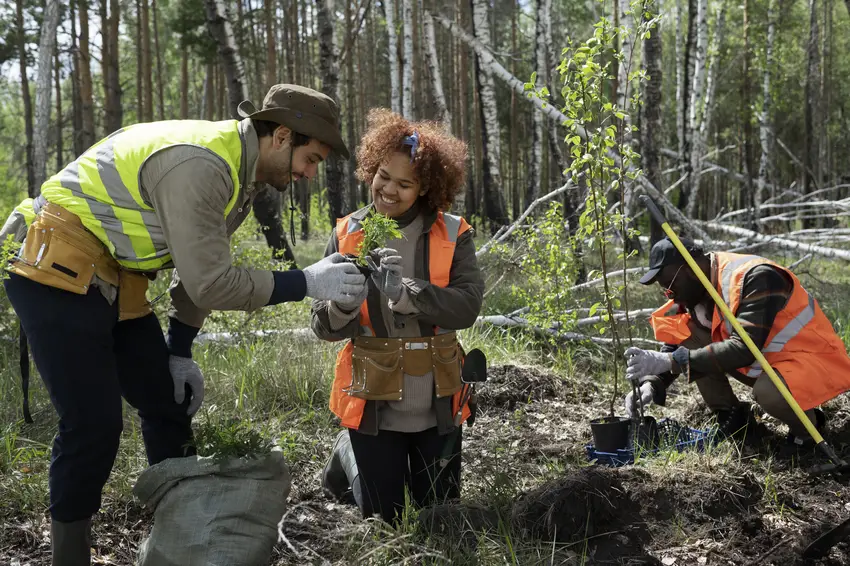
Select tree seedlings, prepare the ground, or plant the trees in reforestation areas, using manual planting tools.