Forging Machine Operators
Forging machine operators use powerful machines to shape and form metal and plastic parts by applying intense pressure and heat. They set up equipment, monitor production quality, and work with computer-controlled systems to create everything from car parts to tools. This hands-on job combines technical skills with problem-solving, as operators read blueprints, adjust machine settings, and collaborate with team members to ensure products meet exact specifications. Many operators learn through apprenticeships or technical programs that combine classroom learning with real-world experience.
Did you know?
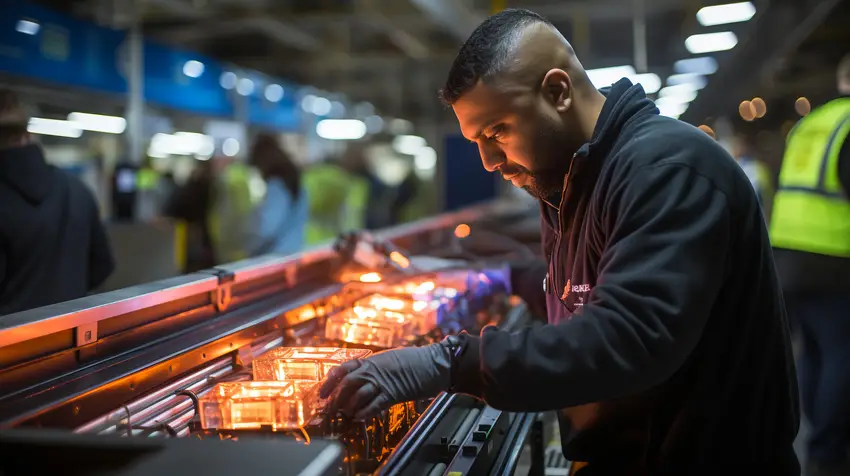
Workers must adhere to strict OSHA safety standards and undergo regular safety training due to the high-risk nature of operating heavy forging machinery in American manufacturing facilities.
At a glance
Typical average pay
$49,300 Avg/yr
Growth
Stable
Top skill
Operations Monitoring
Things to consider
Physical Demands and Work Environment
The role requires significant physical stamina and tolerance for hot, noisy industrial environments with potential exposure to metal dust and fumes.
Technical Skills and Certification Requirements
Advancement opportunities often require obtaining industry certifications and developing expertise in computer-controlled machinery and quality control processes.
Key responsibilities
Trim and compress finished forgings to specified tolerances.
Position and move metal wires or workpieces through a series of dies that compress and shape stock to form die impressions.
Measure and inspect machined parts to ensure conformance to product specifications.
Read work orders or blueprints to determine specified tolerances and sequences of operations for machine setup.
Sharpen cutting tools and drill bits, using bench grinders.