Foundry Mold and Coremakers
Foundry Mold and Coremakers create the specialized molds and cores that shape molten metal into everything from car parts to sculptures. They operate high-tech machines that form sand and wax molds, carefully adjusting temperatures and timing to get perfect results. This hands-on job combines technical skills with precision work, as they read blueprints, monitor computerized equipment, and test each piece to meet exact specifications. Many workers in this field start with vocational training or apprenticeships and work in modern manufacturing facilities that prioritize safety and teamwork.
Did you know?
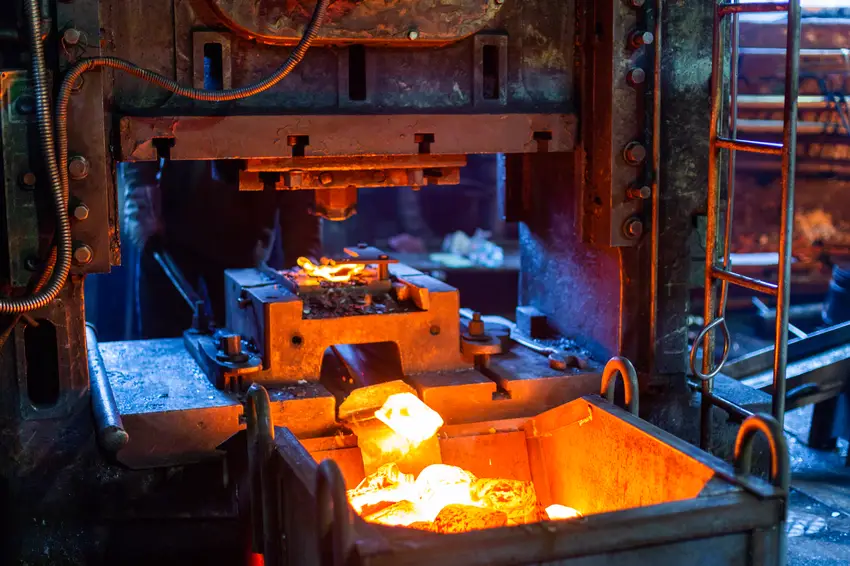
This occupation requires strict adherence to safety protocols when working with molten metals, heavy machinery, and high-temperature environments, making physical fitness and safety training essential.
At a glance
Typical average pay
$45,600 Avg/yr
Growth
Stable
Things to consider
Industry Growth and Automation Impact
The American manufacturing sector's growth and reshoring trends create opportunities, but increasing automation may require specialists to adapt to new technologies and processes.
Certification and Skills Development
Advancing in this field often requires specialized certifications in casting techniques, metallurgy, and quality control systems that are valued by American manufacturers.
Key responsibilities
Sprinkle or spray parting agents onto patterns and mold sections to facilitate removal of patterns from molds.
Pour molten metal into molds, manually or with crane ladles.
Position patterns inside mold sections, and clamp sections together.
Position cores into lower sections of molds, and reassemble molds for pouring.
Cut spouts, runner holes, and sprue holes into molds.