Freight and Stock Laborers
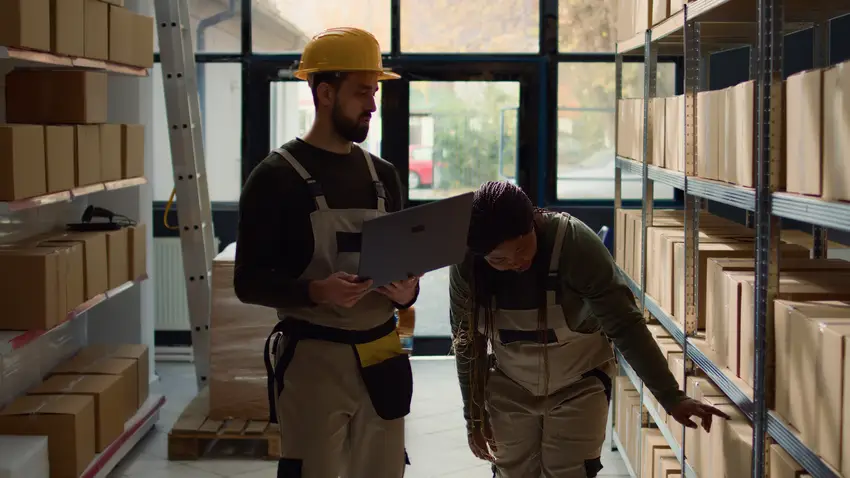
Freight and stock laborers are the backbone of warehouses and distribution centers, physically moving products, supplies, and equipment to keep businesses running smoothly. You'll load and unload trucks, organize inventory using barcode scanners and warehouse management systems, and ensure items are properly packed and labeled for shipping. This hands-on job requires physical stamina and attention to detail, and many workers operate equipment like forklifts or pallet jacks. It's a great entry-level position that can lead to supervisory roles or specialized logistics careers, with many employers offering on-the-job training and flexible schedules.
Did you know?
This occupation requires significant physical strength and endurance while posing injury risks from heavy lifting, repetitive motions, and potentially hazardous work environments.
At a glance
Typical average pay
$39,900 Avg/yr
Growth
Stable
Things to consider
High Demand with Entry-Level Access
These positions offer consistent job availability across American industries like logistics and manufacturing, typically requiring minimal formal education or experience.
Limited but Achievable Advancement Opportunities
Workers can progress to supervisory roles or equipment operator positions through on-the-job experience and additional training or certifications.
Key responsibilities
Record numbers of units handled or moved, using daily production sheets or work tickets.
Pack containers and re-pack damaged containers.
Assemble product containers or crates, using hand tools and precut lumber.
Move freight, stock, or other materials to and from storage or production areas, loading docks, delivery vehicles, ships, or containers, by hand or using trucks, tractors, or other equipment.
Attach identifying tags to containers or mark them with identifying information.