
Fuel Cell Engineers

Overview

Fuel Cell Engineers design and improve advanced power systems that turn hydrogen and other fuels into electricity for cars, trucks, buildings, and portable devices. They use tools like simulation software (such as MATLAB or ANSYS), fuel cell test stations, and lab instruments to model performance, run experiments, and solve problems when parts fail. They also lead projects with other engineers and manufacturers to cut costs, boost efficiency, reduce pollution, and safely combine fuel cells with batteries, electric motors, and hydrogen storage tanks in real products.
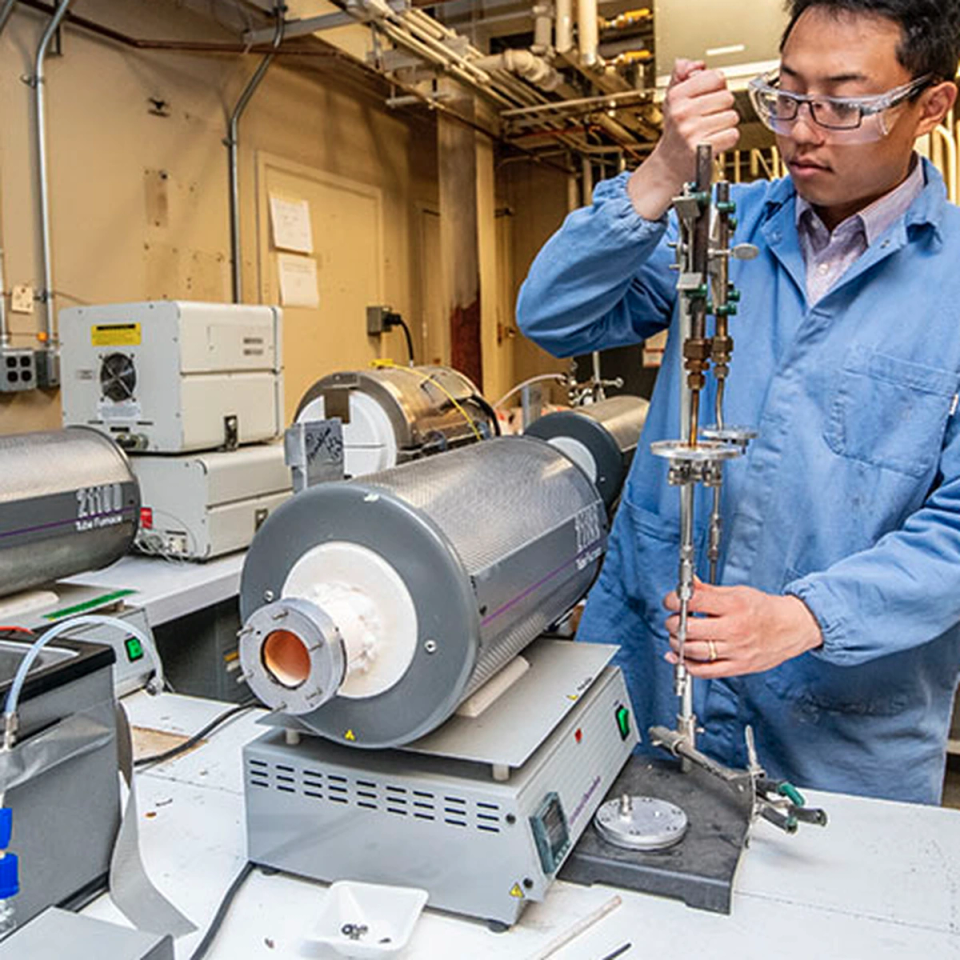
Fuel Cell Engineers

Did you know?

Most positions require a master's degree in engineering or related field due to the highly specialized nature of fuel cell technology and the competitive American job market.

At a Glance

Growth

Stable

Top Skill

Service Orientation

Key Responsibilities

  • Authorize release of fuel cell parts, components, or subsystems for production.
  • Plan or implement fuel cell cost reduction or product improvement projects in collaboration with other engineers, suppliers, support personnel, or customers.
  • Characterize component or fuel cell performances by generating operating maps, defining operating conditions, identifying design refinements, or executing durability assessments.
  • Integrate electric drive subsystems with other vehicle systems to optimize performance or mitigate faults.
  • Define specifications for fuel cell materials.
  • Conduct fuel cell testing projects, using fuel cell test stations, analytical instruments, or electrochemical diagnostics, such as cyclic voltammetry or impedance spectroscopy.
  • Conduct post-service or failure analyses, using electromechanical diagnostic principles or procedures.
  • Design fuel cell systems, subsystems, stacks, assemblies, or components, such as electric traction motors or power electronics.
  • Manage fuel cell battery hybrid system architecture, including sizing of components, such as fuel cells, energy storage units, or electric drives.
  • Calculate the efficiency or power output of a fuel cell system or process.
  • Read current literature, attend meetings or conferences, or talk with colleagues to stay abreast of new technology or competitive products.
  • Fabricate prototypes of fuel cell components, assemblies, stacks, or systems.
  • Analyze fuel cell or related test data, using statistical software.
  • Develop fuel cell materials or fuel cell test equipment.
  • Validate design of fuel cells, fuel cell components, or fuel cell systems.
  • Identify or define vehicle and system integration challenges for fuel cell vehicles.
  • Simulate or model fuel cell, motor, or other system information, using simulation software programs.
  • Develop or evaluate systems or methods of hydrogen storage for fuel cell applications.
  • Plan or conduct experiments to validate new materials, optimize startup protocols, reduce conditioning time, or examine contaminant tolerance.
  • Recommend or implement changes to fuel cell system designs.
  • Provide technical consultation or direction related to the development or production of fuel cell systems.
  • Design or implement fuel cell testing or development programs.
  • Evaluate the power output, system cost, or environmental impact of new hydrogen or non-hydrogen fuel cell system designs.
  • Prepare test stations, instrumentation, or data acquisition systems for use in specific tests of fuel cell components or systems.
  • Coordinate fuel cell engineering or test schedules with departments outside engineering, such as manufacturing.
  • Write technical reports or proposals related to engineering projects.

Career Considerations

Advanced Technical Education Requirements

Most positions require a master's degree in engineering or related field due to the highly specialized nature of fuel cell technology and the competitive American job market.

Geographic Concentration of Opportunities

Job opportunities are primarily concentrated in specific regions like California, the Northeast, and areas with strong automotive or aerospace industries.

Industry Growth Dependent on Policy Support

Career prospects are closely tied to federal and state clean energy policies, government funding, and infrastructure investment in hydrogen technology.

Want to dig deeper?

Talk to blinky to learn more.

Start chatting
BETA
New York

25 Kent Ave, Suite 401
Brooklyn, NY
11249


North Carolina

204 N Person
Street. Raleigh, NC
27601

Australia

Level 4/80
Wentworth Ave,
Surry Hills,
Sydney, 2010