
Funeral Attendants

Overview

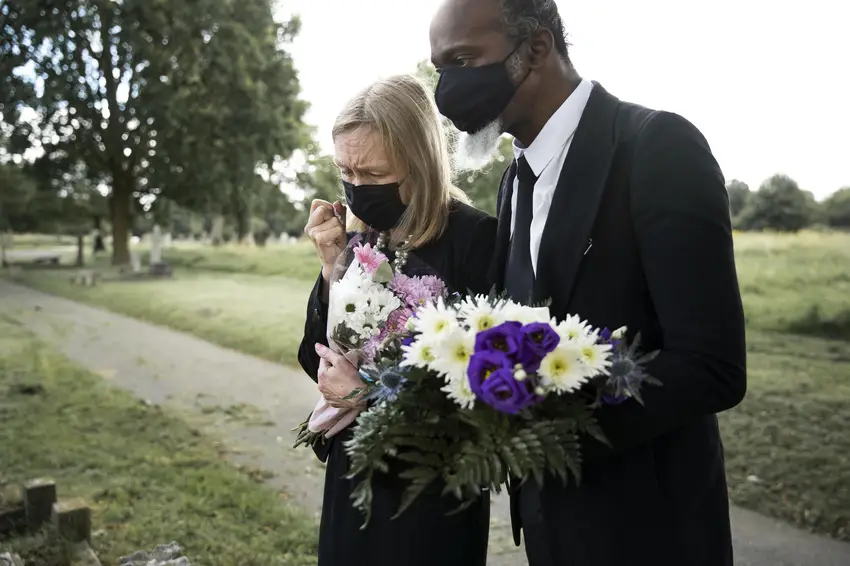
Funeral attendants help families during one of life's most difficult moments by ensuring funeral services run smoothly and respectfully. They greet mourners, arrange caskets and flowers, escort people to chapels, and provide comfort and assistance to grieving families. This compassionate career requires strong people skills, attention to detail, and the ability to work in emotionally sensitive situations. Many funeral attendants work closely with funeral directors and can pursue certification through mortuary science programs or on-the-job training.
Funeral Attendants

Did you know?

This role requires exceptional emotional strength and compassionate communication skills to support grieving families during their most difficult times.

At a Glance

Median Wage

$35,242.24 Avg/yr

Growth

Stable

Top Skill

Equipment Selection

Key Responsibilities

  • Transport the deceased to the funeral home.
  • Arrange floral offerings or lights around caskets.
  • Close caskets at appropriate point in services.
  • Perform various administrative tasks, such as typing documents or answering telephone calls.
  • Clean funeral parlors or chapels.
  • Act as pallbearers.
  • Greet people at the funeral home.
  • Offer assistance to mourners as they enter or exit limousines.
  • Perform general maintenance tasks for funeral homes, such as maintaining equipment or caring for funeral grounds.
  • Provide advice to mourners on how to make charitable donations in honor of the deceased.
  • Obtain burial permits and register deaths.
  • Obtain doctors' signatures on death certificate and complete other paperwork, such as insurance claims forms.
  • Direct or escort mourners to parlors or chapels in which wakes or funerals are being held.
  • Prepare obituaries for newspapers.
  • Issue and store funeral equipment.
  • Assist with cremations and the processing and packaging of cremated remains.
  • Perform a variety of tasks during funerals to assist funeral directors and to ensure that services run smoothly and as planned.
  • Deliver floral arrangements or other items to family members of the deceased.
  • Clean and drive funeral vehicles, such as cars or hearses, in funeral processions.
  • Place caskets in parlors or chapels prior to wakes or funerals.
  • Carry flowers to hearses or limousines for transportation to places of interment.
  • Embalm, dress, cosmeticize, and casket the deceased.
  • Attend to the needs of the bereaved, such as by offering comfort, counseling, or after-care programs.
  • Supervise funeral processions and assist with cemetery parking.

Career Considerations

Emotional Resilience and Interpersonal Skills

This role requires exceptional emotional strength and compassionate communication skills to support grieving families during their most difficult times.

Cultural and Religious Sensitivity

Understanding diverse American cultural and religious funeral traditions is essential for respectfully serving families from various backgrounds.

State Licensing and Certification Requirements

Licensing requirements for funeral service professionals vary significantly across different states, requiring research into local regulations and potential certification programs.

Want to dig deeper?

Talk to blinky to learn more.

Start chatting
BETA
New York

25 Kent Ave, Suite 401
Brooklyn, NY
11249


North Carolina

204 N Person
Street. Raleigh, NC
27601

Australia

Level 4/80
Wentworth Ave,
Surry Hills,
Sydney, 2010