
Furniture Finishers

Overview

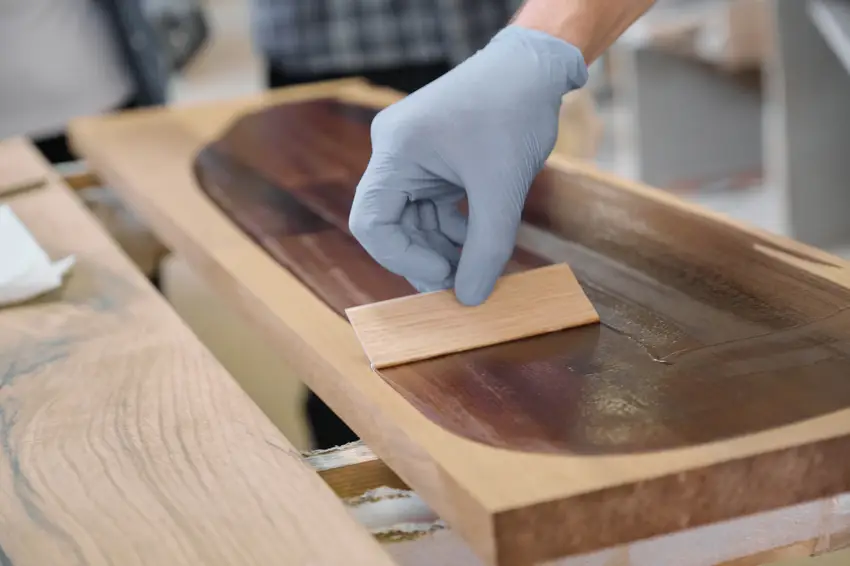
Furniture finishers are skilled craftspeople who restore damaged furniture and apply beautiful finishes to new pieces. They use tools like sanders, spray guns, and brushes to repair cracks, mix custom paint colors, and apply stains, lacquers, and other protective coatings. This hands-on job combines technical skills with creativity, as finishers must match wood types, recommend styles, and bring both antique and modern furniture back to life. Many finishers work in custom shops, restoration studios, or even start their own businesses, often learning through apprenticeships or vocational programs.
Furniture Finishers

Did you know?

Furniture refinishers must adhere to OSHA regulations regarding chemical exposure, ventilation requirements, and proper use of personal protective equipment when working with strippers, stains, and finishes.

At a Glance

Median Wage

$42,560.71 Avg/yr

Growth

Stable

Top Skill

Instructing

Key Responsibilities

  • Treat warped or stained surfaces to restore original contours and colors.
  • Design, create, and decorate entire pieces or specific parts of furniture, such as draws for cabinets.
  • Remove accessories prior to finishing, and mask areas that should not be exposed to finishing processes or substances.
  • Distress surfaces with woodworking tools or abrasives before staining to create an antique appearance, or rub surfaces to bring out highlights and shadings.
  • Follow blueprints to produce specific designs.
  • Recommend woods, colors, finishes, and furniture styles, using knowledge of wood products, fashions, and styles.
  • Replace or refurbish upholstery of items, using tacks, adhesives, softeners, solvents, stains, or polish.
  • Wash surfaces to prepare them for finish application.
  • Spread graining ink over metal portions of furniture to simulate wood-grain finish.
  • Stencil, gild, emboss, mark, or paint designs or borders to reproduce the original appearance of restored pieces, or to decorate new pieces.
  • Brush bleaching agents on wood surfaces to restore natural color.
  • Select appropriate finishing ingredients such as paint, stain, lacquer, shellac, or varnish, depending on factors such as wood hardness and surface type.
  • Smooth, shape, and touch up surfaces to prepare them for finishing, using sandpaper, pumice stones, steel wool, chisels, sanders, or grinders.
  • Disassemble items to prepare them for finishing, using hand tools.
  • Brush, spray, or hand-rub finishing ingredients, such as paint, oil, stain, or wax, onto and into wood grain and apply lacquer or other sealers.
  • Remove old finishes and damaged or deteriorated parts, using hand tools, stripping tools, sandpaper, steel wool, abrasives, solvents, or dip baths.
  • Remove excess solvent, using cloths soaked in paint thinner.
  • Examine furniture to determine the extent of damage or deterioration, and to decide on the best method for repair or restoration.
  • Confer with customers to determine furniture colors or finishes.
  • Mix finish ingredients to obtain desired colors or shades.
  • Paint metal surfaces electrostatically, or by using a spray gun or other painting equipment.
  • Fill and smooth cracks or depressions, remove marks and imperfections, and repair broken parts, using plastic or wood putty, glue, nails, or screws.

Career Considerations

Health and Safety Compliance

Furniture refinishers must adhere to OSHA regulations regarding chemical exposure, ventilation requirements, and proper use of personal protective equipment when working with strippers, stains, and finishes.

Business Licensing and Insurance

Independent furniture refinishers need to obtain appropriate business licenses, liability insurance, and may require contractor licenses depending on state regulations and the scope of services offered.

Market Specialization

Success in the American market often requires specializing in specific furniture types (antiques, modern pieces, or custom work) or targeting particular customer segments to differentiate from competitors.

Want to dig deeper?

Talk to blinky to learn more.

Start chatting
BETA
New York

25 Kent Ave, Suite 401
Brooklyn, NY
11249


North Carolina

204 N Person
Street. Raleigh, NC
27601

Australia

Level 4/80
Wentworth Ave,
Surry Hills,
Sydney, 2010