Gas Pumping Station Operators
Gas pumping station operators control and maintain the equipment that keeps natural gas and petroleum products flowing smoothly through pipelines. They monitor pressure levels, temperature gauges, and flow meters to ensure safe and efficient transport. Operators make manual or automated adjustments to pumps and valves, perform routine inspections, and respond quickly to alarms or system irregularities. The role requires strong mechanical aptitude, attention to safety procedures, and technical training—often through vocational programs or on-the-job learning.
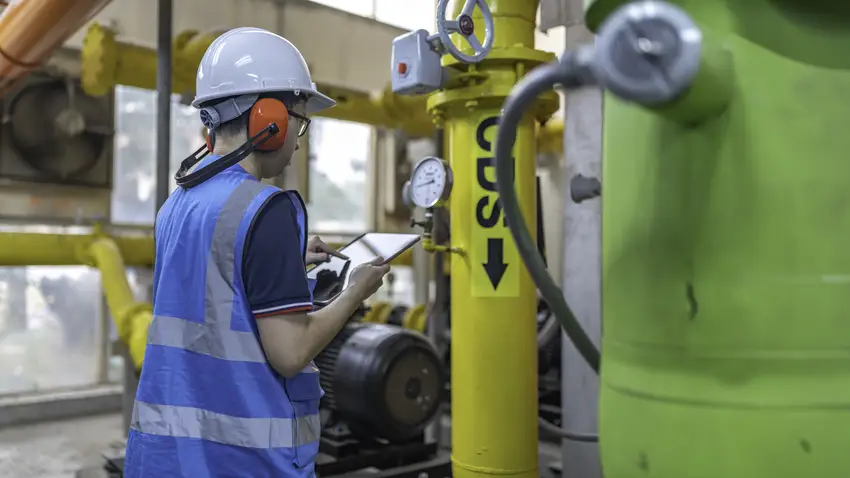
Did you know?
Gas pipeline operators must adhere to strict federal safety regulations enforced by agencies like PHMSA, requiring continuous training and certification to handle hazardous materials safely.
At a glance
Typical average pay
$68,700 Avg/yr
Growth
Stable
Top skill
Operations Monitoring
Things to consider
Physical Demands and Shift Work
The role often involves working in various weather conditions, being on-call for emergencies, and maintaining physical fitness to operate equipment and respond to pipeline incidents.
Industry Stability and Energy Transition
While natural gas infrastructure provides job security in the short term, operators should consider how the growing renewable energy sector may impact long-term career prospects.
Key responsibilities
Operate power-driven pumps that transfer liquids, semi-liquids, gases, or powdered materials.
Clean, lubricate, and adjust equipment, and replace filters and gaskets, using hand tools.
Take samples of gases and conduct chemical tests to determine gas quality and sulfur or moisture content, or send samples to laboratories for analysis.
Adjust valves and equipment to obtain specified performance.
Respond to problems by adjusting control room equipment or instructing other personnel to adjust equipment at problem locations or in other control areas.