Gem and Diamond Processing Workers
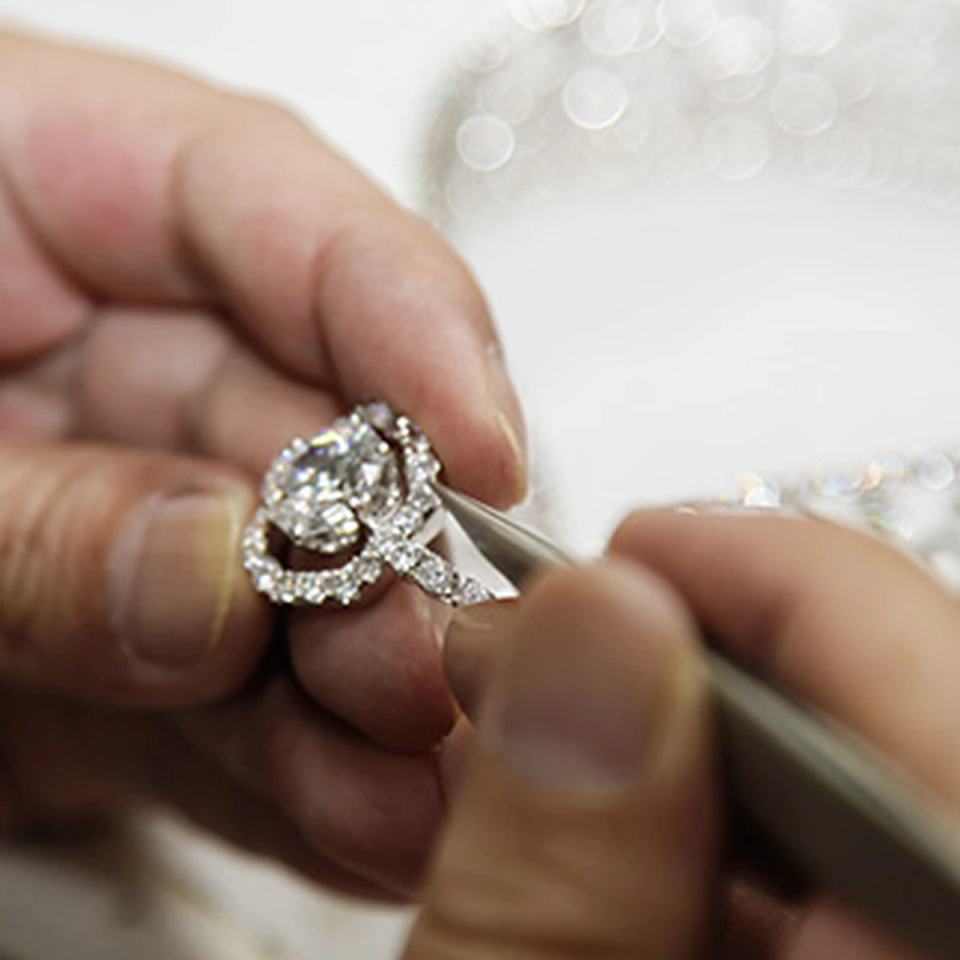
Gem and Diamond Processing Workers carefully cut, shape, polish, and grade gems and diamonds so they can be used in high-end jewelry or in precision industrial tools. They use specialized machines, rotating cutting wheels, and tools like loupes, microscopes, refractometers, and polariscopes to check angles, clarity, and internal structures, then assign official grades for polish, symmetry, and clarity. They also make business decisions by estimating wholesale and retail prices based on market trends and advising jewelry designers and customers on how to use each stone for the most attractive and valuable results.
Did you know?
Success requires extensive hands-on training through formal gemology programs or apprenticeships, as precision work with valuable materials demands expert-level skills.
At a glance
Typical average pay
$48,400 Avg/yr
Growth
Stable
Top skill
Quality Control Analysis
Things to consider
Economic Sensitivity
Employment opportunities fluctuate significantly with economic conditions since luxury jewelry purchases are often among the first expenses consumers cut during financial downturns.
Global Competition Pressure
American gem and diamond workers face increasing competition from lower-cost overseas production and the growing acceptance of lab-created diamonds in the marketplace.
Key responsibilities
Assign polish, symmetry, and clarity grades to stones, according to established grading systems.
Estimate wholesale and retail value of gems, following pricing guides, market fluctuations, and other relevant economic factors.
Identify and document stones' clarity characteristics, using plot diagrams.
Secure gems or diamonds in holders, chucks, dops, lapidary sticks, or blocks for cutting, polishing, grinding, drilling, or shaping.
Examine gems during processing to ensure accuracy of angles and positions of cuts or bores, using magnifying glasses, loupes, or shadowgraphs.