
Geological Technicians

Overview

Geological technicians work alongside scientists and engineers to explore and study natural resources like oil, gas, minerals, and water. They spend time both in the field collecting rock and soil samples and in laboratories testing these samples using specialized equipment to determine what they contain. This hands-on career involves using modern technology like GPS systems, drilling equipment, and computer databases to map underground resources. Many geological technicians start with an associate degree in geology or earth sciences and often work for environmental consulting firms, mining companies, or government agencies.
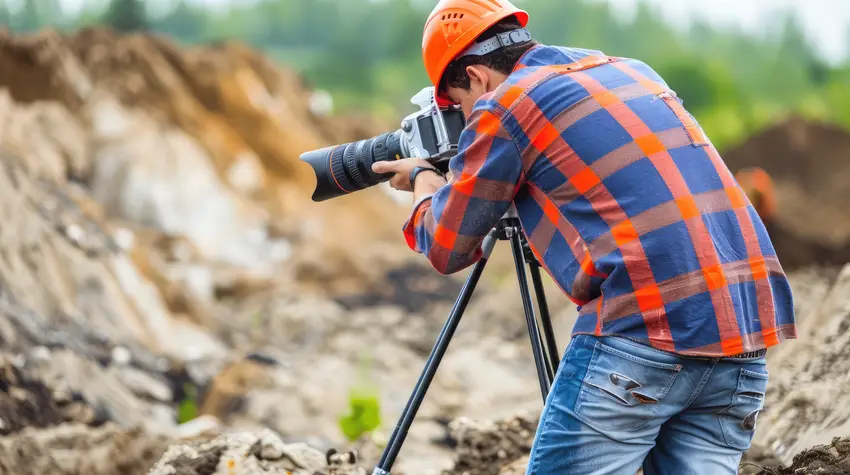
Geological Technicians

Did you know?

Most positions require an associate degree in geology, earth science, or a related field, with some employers preferring additional certifications or field experience.

At a Glance

Median Wage

$53,530.65 Avg/yr

Growth

Stable

Top Skill

Systems Analysis

Key Responsibilities

  • Inspect engines for wear or defective parts, using equipment or measuring devices.
  • Evaluate and interpret seismic data with the aid of computers.
  • Evaluate and interpret core samples and cuttings, and other geological data used in prospecting for oil or gas.
  • Measure geological characteristics used in prospecting for oil or gas, using measuring instruments.
  • Participate in the evaluation of possible mining locations.
  • Supervise well exploration, drilling activities, or well completions.
  • Conduct geophysical surveys of potential sites for wind farms or solar installations to determine their suitability.
  • Operate or adjust equipment or apparatus used to obtain geological data.
  • Set up or direct set-up of instruments used to collect geological data.
  • Compile, log, or record testing or operational data for review and further analysis.
  • Plot information from aerial photographs, well logs, section descriptions, or other databases.
  • Prepare or review professional, technical, or other reports regarding sampling, testing, or recommendations of data analysis.
  • Read and study reports in order to compile information and data for geological and geophysical prospecting.
  • Collect geological data from potential geothermal energy plant sites.
  • Interview individuals, and research public databases in order to obtain information.
  • Adjust or repair testing, electrical, or mechanical equipment or devices.
  • Create photographic recordings of information, using equipment.
  • Prepare notes, sketches, geological maps, or cross-sections.
  • Assess the environmental impacts of development projects on subsurface materials.
  • Record readings in order to compile data used in prospecting for oil or gas.
  • Test and analyze samples to determine their content and characteristics, using laboratory apparatus or testing equipment.
  • Apply new technologies, such as improved seismic imaging techniques, to locate untapped oil or natural gas deposits.
  • Compile data used to address environmental issues, such as the suitability of potential landfill sites.
  • Plan and direct activities of workers who operate equipment to collect data.
  • Collaborate with hydrogeologists to evaluate groundwater or well circulation.
  • Assemble, maintain, or distribute information for library or record systems.
  • Collect data on underground areas, such as reservoirs, that could be used in carbon sequestration operations.
  • Participate in geological, geophysical, geochemical, hydrographic, or oceanographic surveys, prospecting field trips, exploratory drilling, well logging, or underground mine survey programs.
  • Collect or prepare solid or fluid samples for analysis.

Career Considerations

Educational Requirements

Most positions require an associate degree in geology, earth science, or a related field, with some employers preferring additional certifications or field experience.

Industry Volatility

Employment opportunities are closely tied to fluctuations in the oil, gas, and mining industries, making job security dependent on commodity market conditions.

Geographic Mobility

The work often requires travel to remote field sites and willingness to relocate based on project locations, particularly in resource-rich states like Texas, Alaska, and North Dakota.

Want to dig deeper?

Talk to blinky to learn more.

Start chatting
BETA
New York

25 Kent Ave, Suite 401
Brooklyn, NY
11249


North Carolina

204 N Person
Street. Raleigh, NC
27601

Australia

Level 4/80
Wentworth Ave,
Surry Hills,
Sydney, 2010