Grinding Machine Operators
Grinding machine operators set up and run specialized machines that smooth, polish, and shape metal and plastic parts to exact specifications. They read blueprints, measure parts with precision tools like micrometers and gauges, and make adjustments to ensure every piece meets quality standards. This hands-on job combines technical skills with attention to detail, often involving computer-controlled equipment and collaborative teamwork in manufacturing environments. Many operators start with on-the-job training or technical school programs and can advance to supervisory roles or specialize in advanced machining technologies.
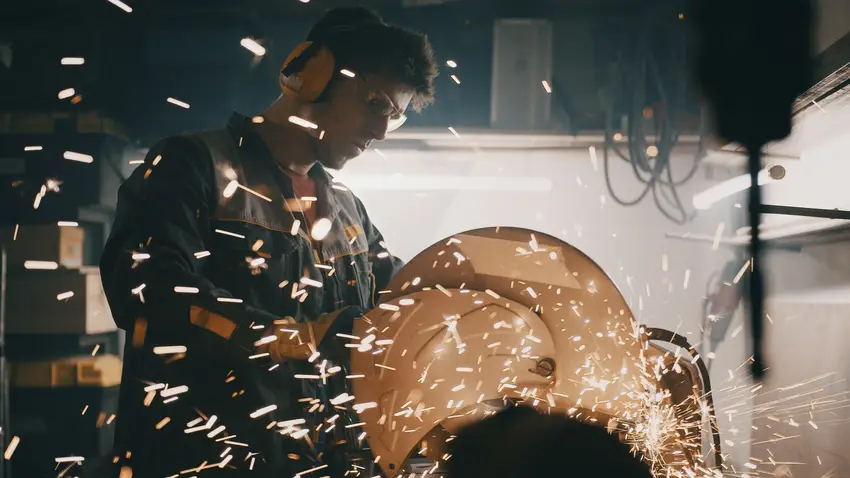
Did you know?
Workers must adhere to strict safety protocols and OSHA regulations when operating heavy machinery and handling potentially hazardous materials in American manufacturing facilities.
At a glance
Typical average pay
$43,800 Avg/yr
Growth
Stable
Top skill
Operations Monitoring
Things to consider
Technical Skills and Continuous Learning
Success requires mastering precision measurement tools, understanding material properties, and staying current with evolving manufacturing technologies to remain competitive in the US job market.
Physical Demands and Work Environment
The role involves standing for extended periods, lifting heavy materials, and working in potentially noisy industrial environments typical of American manufacturing plants.
Key responsibilities
Measure workpieces and lay out work, using precision measuring devices.
Repair or replace machine parts, using hand tools, or notify engineering personnel when corrective action is required.
Adjust air cylinders and setting stops to set traverse lengths and feed arm strokes.
Inspect or measure finished workpieces to determine conformance to specifications, using measuring instruments, such as gauges or micrometers.
Activate machine start-up switches to grind, lap, hone, debar, shear, or cut workpieces, according to specifications.