Hand Cutters and Trimmers
Overview
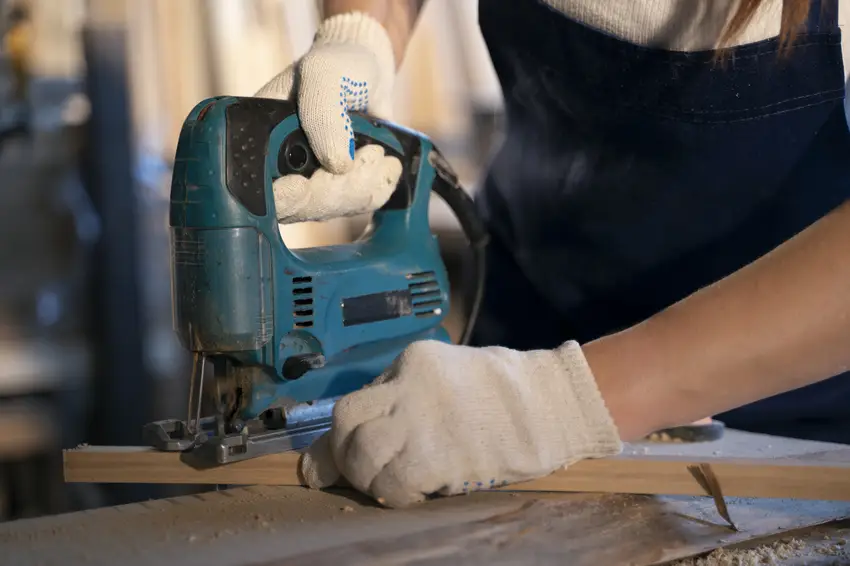
Hand Cutters and Trimmers work with their hands and various tools to precisely cut and shape materials like fabric, carpet, glass, and rubber for manufacturing. They use both traditional hand tools like scissors and knives, as well as modern power tools to trim materials to exact specifications. This job requires attention to detail for measuring, marking cutting lines, and checking for defects to ensure high-quality finished products. Many workers in this field develop strong hand-eye coordination and can find opportunities in textile, automotive, and construction industries.
Did you know?
This occupation requires prolonged standing, repetitive hand movements, and precise manual dexterity, which can lead to musculoskeletal injuries without proper ergonomic practices.
At a Glance
Median Wage
$39,020.30 Avg/yr
Growth
Stable
Top Skill
Complex Problem Solving
Key Responsibilities
- Read work orders to determine dimensions, cutting locations, and quantities to cut.
- Mark or discard items with defects such as spots, stains, scars, snags, chips, scratches, or unacceptable shapes or finishes.
- Count or weigh and bundle items.
- Trim excess material or cut threads off finished products, such as cutting loose ends of plastic off a manufactured toy for a smoother finish.
- Mark cutting lines around patterns or templates, or follow layout points, using squares, rules, and straightedges, and chalk, pencils, or scribes.
- Lower table-mounted cutters such as knife blades, cutting wheels, or saws to cut items to specified sizes.
- Unroll, lay out, attach, or mount materials or items on cutting tables or machines.
- Fold or shape materials before or after cutting them.
- Cut, shape, and trim materials, such as textiles, food, glass, stone, and metal, using knives, scissors, and other hand tools, portable power tools, or bench-mounted tools.
- Transport items to work or storage areas, using carts.
- Replace or sharpen dulled cutting tools such as saws.
- Clean, treat, buff, or polish finished items, using grinders, brushes, chisels, and cleaning solutions and polishing materials.
- Adjust guides and stops to control depths and widths of cuts.
- Separate materials or products according to size, weight, type, condition, color, or shade.
- Mark identification numbers, trademarks, grades, marketing data, sizes, or model numbers on products.
- Position templates or measure materials to locate specified points of cuts or to obtain maximum yields, using rules, scales, or patterns.
- Stack cut items and load them on racks or conveyors or onto trucks.
- Route items to provide cutouts for parts, using portable routers, grinders, and hand tools.
Career Considerations
Physical Demands and Ergonomic Risks
This occupation requires prolonged standing, repetitive hand movements, and precise manual dexterity, which can lead to musculoskeletal injuries without proper ergonomic practices.
Automation and Job Security
Many cutting and trimming tasks are increasingly automated in American manufacturing, potentially limiting long-term job growth and requiring workers to adapt to new technologies.
Workplace Safety Compliance
Workers must adhere to strict OSHA safety standards when using sharp tools and equipment, requiring ongoing safety training and protective equipment usage.