Hand Grinding and Polishing Workers
Hand grinding and polishing workers use specialized hand tools and power equipment to smooth, shape, and finish surfaces on materials like metal, wood, stone, and plastic. They carefully measure and mark pieces, select the right abrasives and tools, then grind away defects and polish surfaces to exact specifications. These skilled craftspeople work in manufacturing plants, auto shops, and custom fabrication facilities, using both traditional techniques and modern precision equipment. The job requires attention to detail, steady hands, and the ability to read blueprints and quality standards.
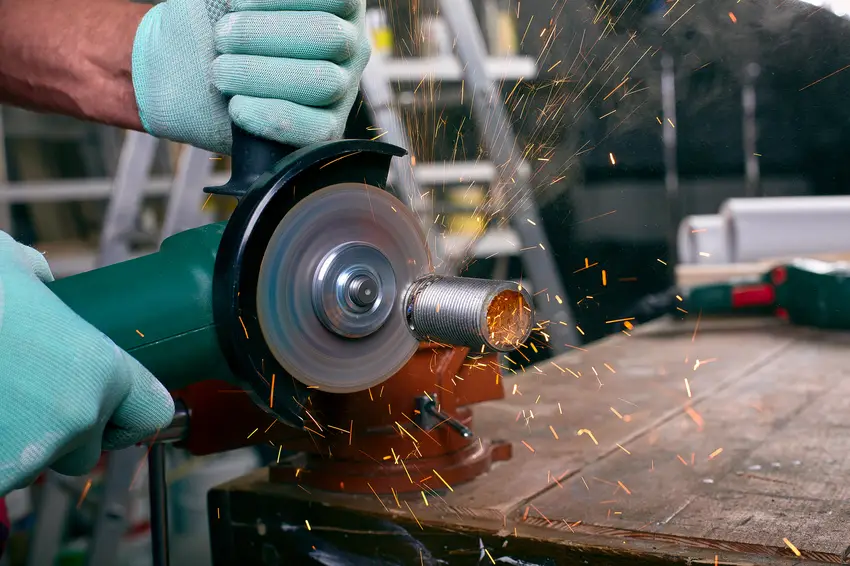
Did you know?
This occupation requires significant physical stamina and adherence to strict safety protocols due to exposure to dust, chemicals, and repetitive motions that can lead to occupational injuries.
At a glance
Typical average pay
$41,300 Avg/yr
Growth
Stable
Top skill
Quality Control Analysis
Things to consider
Skills Development and Training
Workers typically need on-the-job training or vocational education to master various grinding and polishing techniques, with opportunities for specialization in specific materials or industries.
Employment Outlook and Industry Trends
Job prospects may vary by region and industry, with automation potentially affecting some positions while specialized hand-finishing work remains in demand for custom or high-quality products.
Key responsibilities
Measure and mark equipment, objects, or parts to ensure grinding and polishing standards are met.
Record product and processing data on specified forms.
Remove completed workpieces from equipment or work tables, using hand tools, and place workpieces in containers.
File grooved, contoured, and irregular surfaces of metal objects, such as metalworking dies and machine parts, to conform to templates, other parts, layouts, or blueprint specifications.
Study blueprints or layouts to determine how to lay out workpieces or saw out templates.