
Hazardous Materials Removal Workers

Overview

Hazardous materials removal workers are like environmental superheroes who identify and safely clean up dangerous substances like asbestos, lead, mold, and radioactive waste. They follow strict safety procedures, test materials to determine the best cleanup methods, and build containment areas before removing or neutralizing toxic substances. Using specialized protective equipment and modern detection tools, they work as part of teams to ensure contaminated sites become safe for people and the environment. This career requires attention to detail, physical fitness, and completion of specialized training programs in hazmat handling and safety protocols.
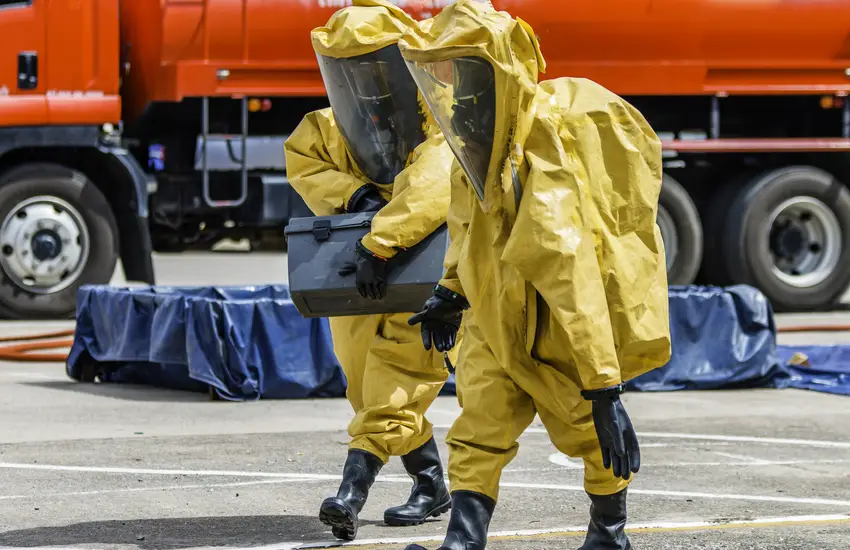
Hazardous Materials Removal Workers

Did you know?

Exposure to toxic chemicals and hazardous substances requires strict adherence to safety protocols and may impact long-term health.

At a Glance

Median Wage

$49,237.40 Avg/yr

Growth

Stable

Top Skill

Reading Comprehension

Key Responsibilities

  • Clean mold-contaminated sites by removing damaged porous materials or thoroughly cleaning all contaminated nonporous materials.
  • Organize or track the locations of hazardous items in landfills.
  • Sort specialized hazardous waste at landfills or disposal centers, following proper disposal procedures.
  • Upload baskets of irradiated elements onto machines that insert fuel elements into canisters and secure lids.
  • Mix or pour concrete into forms to encase waste material for disposal.
  • Apply bioremediation techniques to hazardous wastes to allow naturally occurring bacteria to break down toxic substances.
  • Package, store, or move irradiated fuel elements in the underwater storage basins of nuclear reactor plants, using machines or equipment.
  • Load or unload materials into containers or onto trucks, using hoists or forklifts.
  • Process e-waste, such as computer components containing lead or mercury.
  • Operate machines or equipment to remove, package, store, or transport loads of waste materials.
  • Build containment areas prior to beginning abatement or decontamination work.
  • Record numbers of containers stored at disposal sites, specifying amounts or types of equipment or waste disposed.
  • Comply with prescribed safety procedures or federal laws regulating waste disposal methods.
  • Prepare hazardous material for removal or storage.
  • Clean contaminated equipment or areas for reuse, using detergents or solvents, sandblasters, filter pumps, or steam cleaners.
  • Remove asbestos or lead from surfaces, using hand or power tools such as scrapers, vacuums, or high-pressure sprayers.
  • Identify or separate waste products or materials for recycling or reuse.
  • Drive trucks or other heavy equipment to convey contaminated waste to designated sea or ground locations.
  • Identify asbestos, lead, or other hazardous materials to be removed, using monitoring devices.
  • Remove or limit contamination following emergencies involving hazardous substances.
  • Operate cranes to move or load baskets, casks, or canisters.

Career Considerations

Health and Safety Risks

Exposure to toxic chemicals and hazardous substances requires strict adherence to safety protocols and may impact long-term health.

Certification Requirements

Must obtain and maintain specialized certifications through OSHA, EPA, and DOT training programs to work legally in the field.

Job Market Stability

Strong demand driven by federal environmental regulations and industrial growth, particularly in manufacturing and waste management sectors.

Want to dig deeper?

Talk to blinky to learn more.

Start chatting
BETA
New York

25 Kent Ave, Suite 401
Brooklyn, NY
11249


North Carolina

204 N Person
Street. Raleigh, NC
27601

Australia

Level 4/80
Wentworth Ave,
Surry Hills,
Sydney, 2010