
Heat Treatment Technicians

Overview

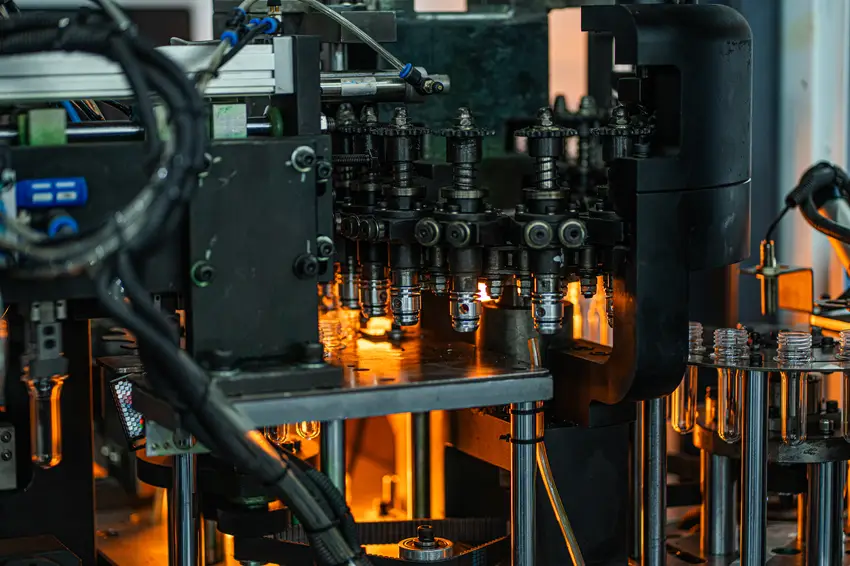
Heat treatment technicians operate specialized furnaces and heating equipment to strengthen and modify metal and plastic parts used in everything from car engines to smartphone components. You'll read technical schedules, precisely control temperatures and timing, and use thermal instruments and computerized controls to ensure materials meet exact specifications. The job involves teamwork with crane operators and other technicians, plus you'll train new workers on proper equipment operation. This hands-on manufacturing role combines technical skills with attention to detail in modern industrial facilities.
Heat Treatment Technicians

Did you know?

Workers must adhere to strict OSHA safety standards and undergo extensive safety training due to exposure to high temperatures, chemicals, and heavy machinery.

At a Glance

Median Wage

$47,911.71 Avg/yr

Growth

Stable

Top Skill

Systems Analysis

Key Responsibilities

  • Examine parts to ensure metal shades and colors conform to specifications, using knowledge of metal heat-treating.
  • Stamp heat-treatment identification marks on parts, using hammers and punches.
  • Adjust controls to maintain temperatures and heating times, using thermal instruments and charts, dials and gauges of furnaces, and color of stock in furnaces to make setting determinations.
  • Remove parts from furnaces after specified times, and air dry or cool parts in water, oil brine, or other baths.
  • Load parts into containers and place containers on conveyors to be inserted into furnaces, or insert parts into furnaces.
  • Set and adjust speeds of reels and conveyors for prescribed time cycles to pass parts through continuous furnaces.
  • Read production schedules and work orders to determine processing sequences, furnace temperatures, and heat cycle requirements for objects to be heat-treated.
  • Heat billets, bars, plates, rods, and other stock to specified temperatures preparatory to forging, rolling, or processing, using oil, gas, or electrical furnaces.
  • Instruct new workers in machine operation.
  • Mount workpieces in fixtures, on arbors, or between centers of machines.
  • Clean oxides and scales from parts or fittings, using steam sprays or chemical and water baths.
  • Set up and operate or tend machines, such as furnaces, baths, flame-hardening machines, and electronic induction machines, that harden, anneal, and heat-treat metal.
  • Record times that parts are removed from furnaces to document that objects have attained specified temperatures for specified times.
  • Reduce heat when processing is complete to allow parts to cool in furnaces or machinery.
  • Test parts for hardness, using hardness testing equipment, or by examining and feeling samples.
  • Position stock in furnaces, using tongs, chain hoists, or pry bars.
  • Repair, replace, and maintain furnace equipment as needed, using hand tools.
  • Mount fixtures and industrial coils on machines, using hand tools.
  • Start conveyors and open furnace doors to load stock, or signal crane operators to uncover soaking pits and lower ingots into them.
  • Determine types and temperatures of baths and quenching media needed to attain specified part hardness, toughness, and ductility, using heat-treating charts and knowledge of methods, equipment, and metals.
  • Move controls to light gas burners and to adjust gas and water flow and flame temperature.
  • Signal forklift operators to deposit or extract containers of parts into and from furnaces and quenching rinse tanks.
  • Determine flame temperatures, current frequencies, heating cycles, and induction heating coils needed, based on degree of hardness required and properties of stock to be treated.

Career Considerations

Safety and Regulatory Compliance

Workers must adhere to strict OSHA safety standards and undergo extensive safety training due to exposure to high temperatures, chemicals, and heavy machinery.

Technical Certification Requirements

Many employers prefer candidates with vocational training or apprenticeship completion, and ongoing education is often necessary to keep up with advancing heat treatment technologies.

Manufacturing Industry Stability

Job prospects are closely tied to the health of American manufacturing sectors, particularly automotive, aerospace, and construction industries.

Want to dig deeper?

Talk to blinky to learn more.

Start chatting
BETA
New York

25 Kent Ave, Suite 401
Brooklyn, NY
11249


North Carolina

204 N Person
Street. Raleigh, NC
27601

Australia

Level 4/80
Wentworth Ave,
Surry Hills,
Sydney, 2010