Hoist and Winch Operators
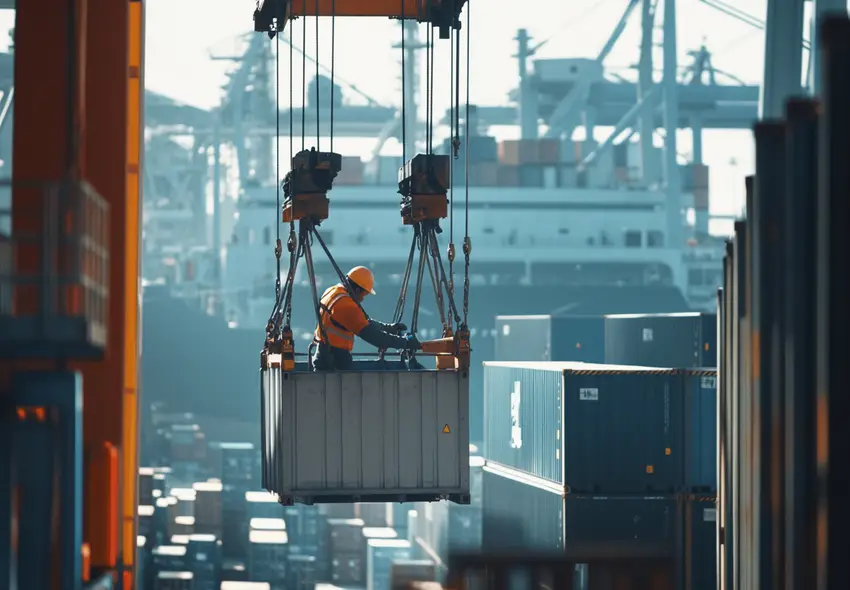
Hoist and winch operators control powerful machinery that lifts and moves heavy materials and workers at construction sites, mines, and industrial facilities. They operate various types of equipment including electric, diesel, and steam-powered hoists, using precise hand controls to respond to signals from ground crews and monitor safety indicators. These operators need strong hand-eye coordination, attention to detail, and mechanical skills to safely transport loads that can weigh thousands of pounds. Many work in collaborative teams and use modern digital monitoring systems to ensure safe operations.
Did you know?
Heavy equipment operators in the US must obtain proper certifications and adhere to strict OSHA safety regulations, which vary by state and equipment type.
At a glance
Typical average pay
$53,800 Avg/yr
Growth
Stable
Top skill
Critical Thinking
Things to consider
Physical Demands and Health Impact
The role requires excellent physical condition and stamina, as operators spend long hours in machinery and may face exposure to noise, vibration, and weather conditions.
Job Market Stability and Growth
Employment prospects are generally strong due to ongoing infrastructure projects and construction demand, though the field can be cyclical based on economic conditions.
Key responsibilities
Move levers, pedals, and throttles to stop, start, and regulate speeds of hoist or winch drums in response to hand, bell, buzzer, telephone, loud-speaker, or whistle signals, or by observing dial indicators or cable marks.
Operate compressed air, diesel, electric, gasoline, or steam-driven hoists or winches to control movement of cableways, cages, derricks, draglines, loaders, railcars, or skips.
Select loads or materials according to weight and size specifications.
Signal and assist other workers loading or unloading materials.
Attach, fasten, and disconnect cables or lines to loads, materials, and equipment, using hand tools.