Home Health Aides in Patient Care
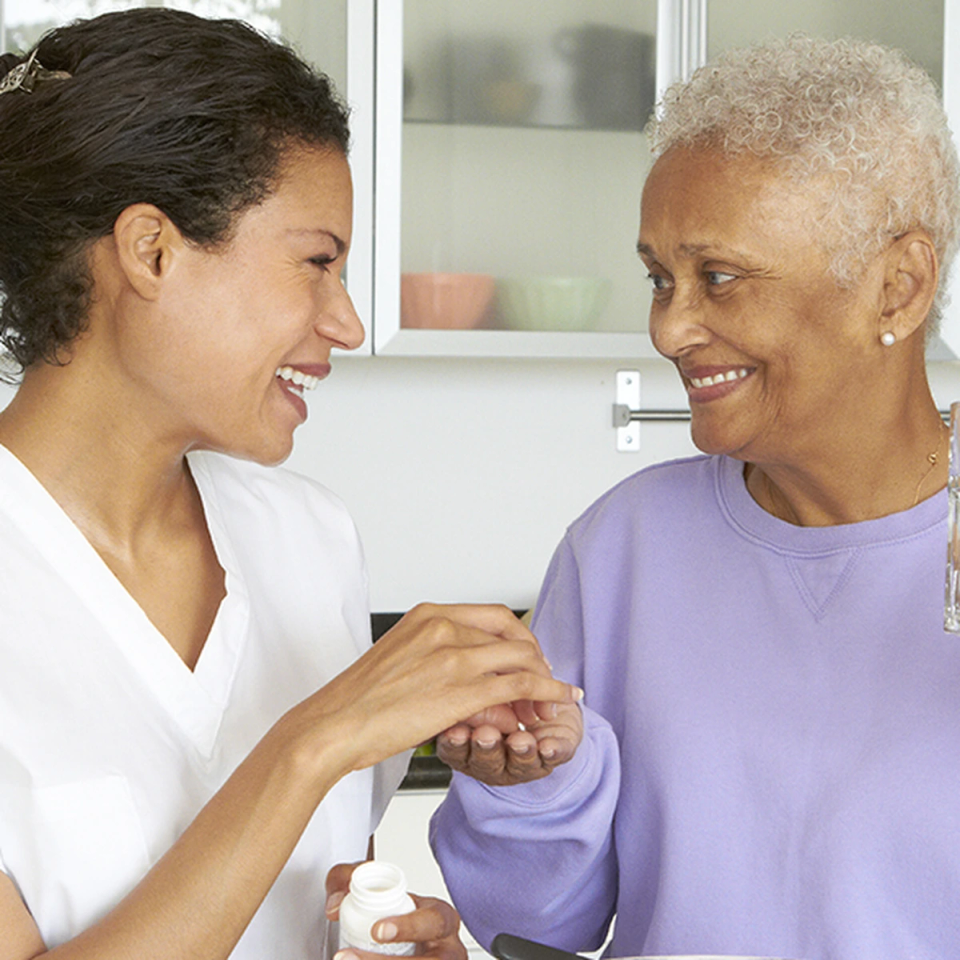
Home health aides in patient care support people who are sick, injured, or living with disabilities so they can safely stay in their own homes. They check vital signs like pulse, temperature, and breathing; help with medications as directed by a nurse; and assist with daily activities such as bathing, getting dressed, moving from bed to wheelchair, and eating. They also prepare simple meals, do light housekeeping, keep written records of the person’s condition, and communicate important changes to nurses or case managers so the care plan stays safe and up to date.
Did you know?
Home health aides must be prepared for physically demanding work including lifting patients and emotionally challenging situations while providing compassionate care in patients' homes.
At a glance
Growth
Stable
Top skill
Active Listening
Things to consider
State Certification Requirements
Most U.S. states require home health aides to complete state-approved training programs and pass competency evaluations, with ongoing continuing education requirements.
Strong Job Growth Outlook
The Bureau of Labor Statistics projects much faster than average job growth for home health aides due to America's aging baby boomer population and preference for aging in place.
Key responsibilities
Maintain records of patient care, condition, progress, or problems to report and discuss observations with supervisor or case manager.
Provide patients and families with emotional support and instruction in areas such as caring for infants, preparing healthy meals, living independently, or adapting to disability or illness.
Perform a variety of duties as requested by client, such as obtaining household supplies or running errands.
Care for children with disabilities or who have sick parents or parents with disabilities.
Entertain, converse with, or read aloud to patients to keep them mentally healthy and alert.