Hydroelectric Production Managers in Power Plants
Hydroelectric Production Managers run large power plants that use flowing water to generate electricity. They decide how much power the plant should produce, set voltage schedules, and coordinate when turbines, generators, and substations are started, stopped, or adjusted to keep the electric grid stable and safe. They lead teams that install and upgrade equipment, review budgets and power contracts, enforce safety and environmental rules, and plan long-term projects to make the plant more efficient and reliable for homes, schools, and businesses that depend on its energy.
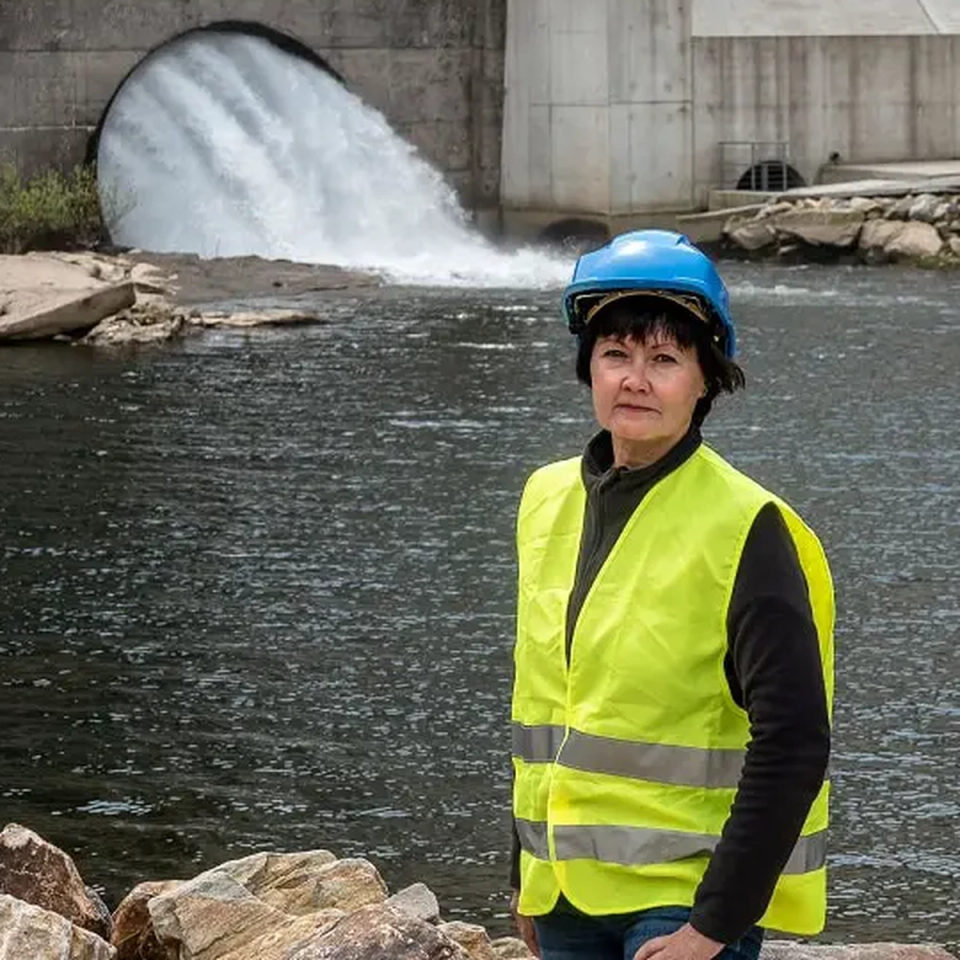
Did you know?
Employment opportunities are primarily concentrated in regions with established hydroelectric infrastructure, such as the Pacific Northwest, Tennessee Valley, and areas along major river systems.
At a glance
Typical average pay
$119,300 Avg/yr
Growth
Stable
Top skill
Active Listening
Things to consider
Regulatory Compliance Expertise
The role requires extensive knowledge of federal regulations including FERC licensing, environmental compliance standards, and NERC reliability requirements specific to the U.S. power grid.
Technical Education and Safety Management
Positions typically require an engineering degree or equivalent technical background combined with power plant operations experience and strong safety management skills due to the high-risk industrial environment.
Key responsibilities
Maintain records of hydroelectric facility operations, maintenance, or repairs.
Supervise or monitor hydroelectric facility operations to ensure that generation or mechanical equipment conform to applicable regulations or standards.
Provide technical direction in the erection or commissioning of hydroelectric equipment or supporting electrical or mechanical systems.
Create or enforce hydrostation voltage schedules.
Monitor or inspect hydroelectric equipment, such as hydro-turbines, generators, or control systems.