Hydrologists
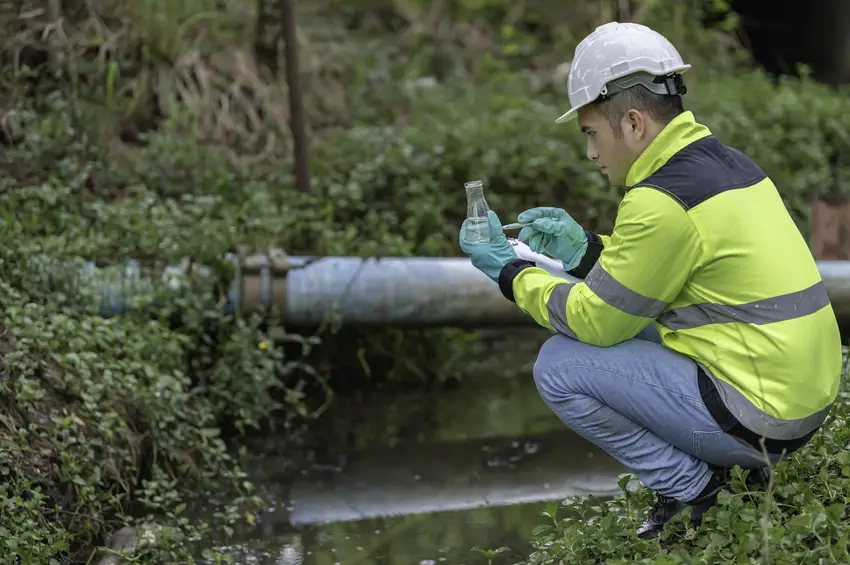
Hydrologists are water detectives who study how water moves through our planet, from rainfall and snowmelt to rivers, lakes, and underground sources. They collect water and soil samples, measure stream flows, and use advanced computer models to predict floods, droughts, and water availability for communities. These scientists analyze how pollution and climate changes affect our water supply, then work with engineers and policymakers to design solutions like water treatment plants and flood control systems. With a background in environmental science or geology, hydrologists spend time both in the field collecting data and in labs or offices analyzing their findings to protect this vital resource.
Did you know?
Most hydrology positions in the US require at least a bachelor's degree in hydrology, geology, environmental science, or related field, with many employers preferring advanced degrees for research and senior positions.
At a glance
Typical average pay
$94,400 Avg/yr
Growth
Stable
Top skill
Critical Thinking
Things to consider
Government vs Private Sector Opportunities
Hydrologists can work for federal agencies like USGS and EPA, state environmental departments, or private consulting firms, each offering different career paths, job security levels, and salary ranges.
Growing Demand Due to Climate Concerns
The increasing focus on water resource management, climate change adaptation, and environmental protection in the US is creating expanding job opportunities for qualified hydrologists.
Key responsibilities
Coordinate and supervise the work of professional and technical staff, including research assistants, technologists, and technicians.
Measure and graph phenomena such as lake levels, stream flows, and changes in water volumes.
Monitor the work of well contractors, exploratory borers, and engineers and enforce rules regarding their activities.
Study and document quantities, distribution, disposition, and development of underground and surface waters.
Apply research findings to help minimize the environmental impacts of pollution, waterborne diseases, erosion, and sedimentation.