Industrial Cleaning Equipment Operators
Industrial cleaning equipment operators run specialized machines that wash and clean products like glass, metal parts, food items, and industrial materials to remove dirt and impurities. You'll monitor computer systems and instruments to ensure proper cleaning conditions, adjust temperature controls, and test materials to make sure they meet quality standards. This job involves working with pumping systems, applying chemical solutions safely, and collecting samples for testing. Many operators work in modern facilities with automated equipment and collaborate with quality control teams to ensure products are perfectly clean for manufacturing or consumer use.
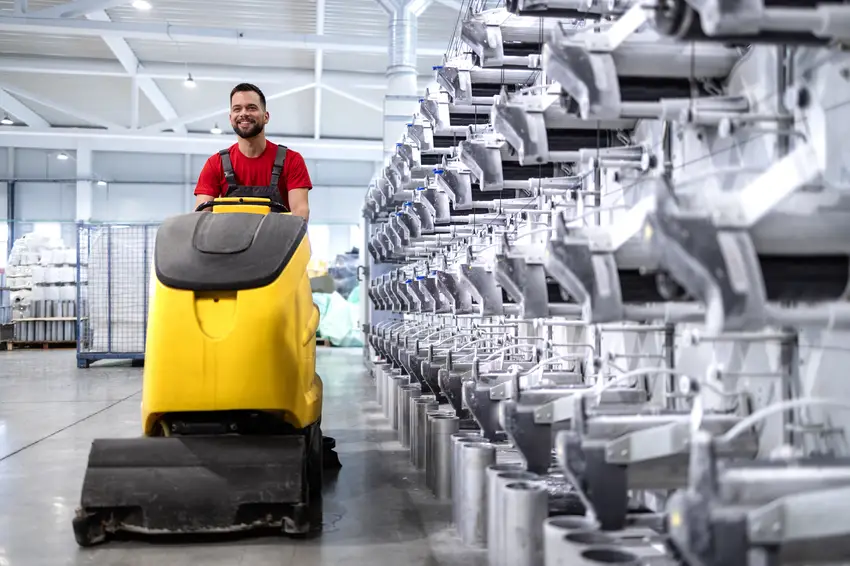
Did you know?
This occupation requires strict adherence to OSHA safety standards due to exposure to chemical polishing compounds, metal dust, and potentially hazardous machinery in American manufacturing facilities.
At a glance
Typical average pay
$41,300 Avg/yr
Growth
Fast growing
Top skill
Operation and Control
Things to consider
Technical Skill Development
Success requires mastering various polishing techniques and equipment operation, with many U.S. employers preferring candidates with vocational training or apprenticeship experience in metalworking.
Industry Demand Variability
Job opportunities fluctuate with the health of American manufacturing sectors, particularly automotive and aerospace industries, making geographic flexibility and diverse skill sets valuable for career stability.
Key responsibilities
Draw samples for laboratory analysis, or test solutions for conformance to specifications, such as acidity or specific gravity.
Drain, clean, and refill machines or tanks at designated intervals, using cleaning solutions or water.
Operate or tend machines to wash and remove impurities from items such as barrels or kegs, glass products, tin plate surfaces, dried fruit, pulp, animal stock, coal, manufactured articles, plastic, or rubber.
Adjust, clean, and lubricate mechanical parts of machines, using hand tools and grease guns.
Examine and inspect machines to detect malfunctions.