Industrial Heating Equipment Operators
Industrial heating equipment operators run specialized machines like furnaces, kilns, and ovens that heat and process different materials to create everything from glass products to dried lumber. You'll monitor digital gauges and control panels, measure ingredients with precision tools like scales and calipers, and test samples to ensure quality standards are met. The job involves recording data in logbooks, performing equipment maintenance, and working with supervisors to solve any production issues. This hands-on role combines technical skills with attention to detail in modern manufacturing facilities.
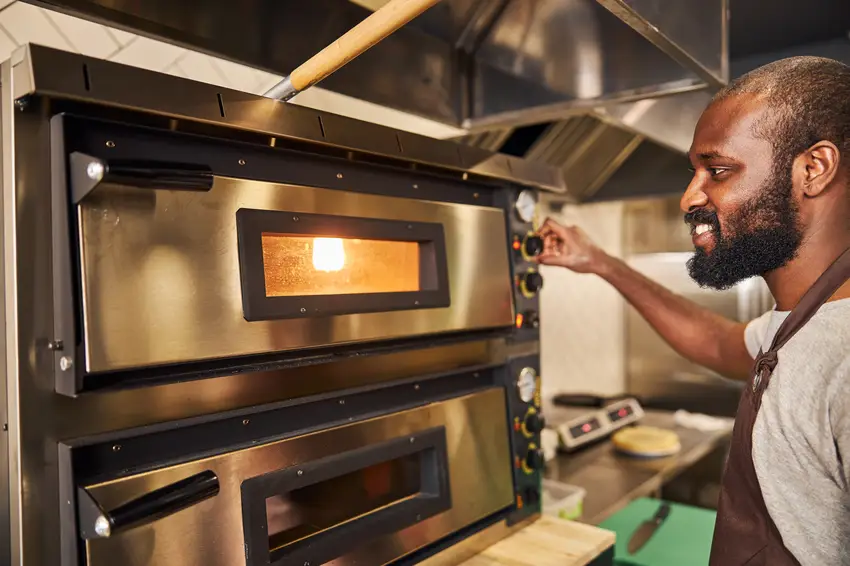
Did you know?
Industrial heating operators must strictly adhere to OSHA safety standards and environmental regulations, as violations can result in serious injuries, legal penalties, and facility shutdowns.
At a glance
Typical average pay
$50,300 Avg/yr
Growth
Stable
Top skill
Operations Monitoring
Things to consider
Certification and Licensing Requirements
Many states require boiler operator licenses and ongoing certification maintenance, which involves passing examinations and completing continuing education requirements.
Manufacturing Sector Dependency
Job opportunities are closely tied to the health of American manufacturing industries, making employment vulnerable to economic downturns and automation trends.
Key responsibilities
Transport materials and products to and from work areas, manually or using carts, handtrucks, or hoists.
Monitor equipment operation, gauges, and panel lights to detect deviations from standards.
Feed fuel, such as coal and coke, into fireboxes or onto conveyors, and remove ashes from furnaces, using shovels and buckets.
Remove products from equipment, manually or using hoists, and prepare them for storage, shipment, or additional processing.
Press and adjust controls to activate, set, and regulate equipment according to specifications.