Industrial Machine Operators
Industrial machine operators run specialized equipment that crushes, grinds, and polishes various materials like coal, glass, food products, and stone. They monitor computerized systems to ensure materials flow properly, perform quality checks to meet strict standards, and maintain equipment for safe operation. This hands-on role combines technical skills with attention to detail, often in manufacturing plants where teamwork and following safety protocols are essential. Many operators learn through on-the-job training or technical programs that teach machinery operation and industrial safety.
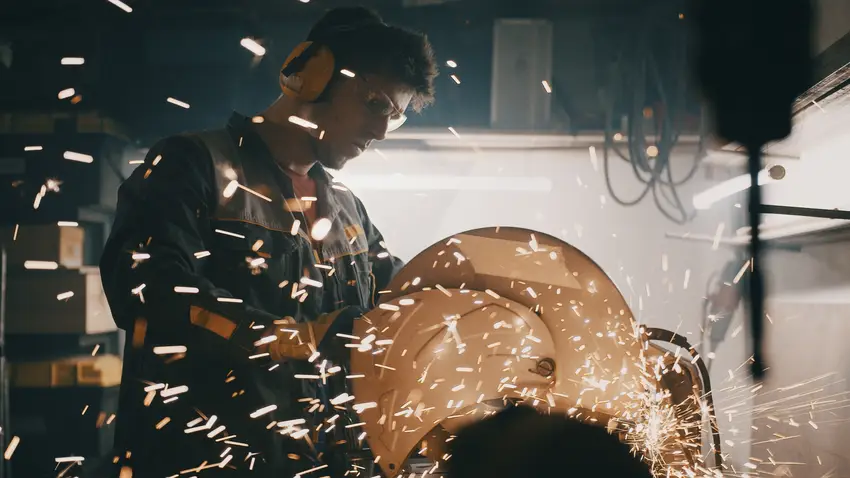
Did you know?
Crushing machine operators must adhere to strict OSHA safety regulations and complete comprehensive safety training due to the high-risk nature of operating heavy industrial machinery.
At a glance
Typical average pay
$48,200 Avg/yr
Growth
Stable
Top skill
Operations Monitoring
Things to consider
Physical Demands and Work Environment
The role requires physical stamina, ability to lift heavy materials, and tolerance for working in noisy, dusty industrial environments for extended periods.
Industry Certification Requirements
Many employers require specialized equipment certifications or apprenticeship completion, with opportunities for advancement through additional technical training programs.
Key responsibilities
Weigh or measure materials, ingredients, or products at specified intervals to ensure conformance to requirements.
Add or mix chemicals and ingredients for processing, using hand tools or other devices.
Test samples of materials or products to ensure compliance with specifications, using test equipment.
Move controls to start, stop, or adjust machinery and equipment that crushes, grinds, polishes, or blends materials.
Turn valves to regulate the moisture contents of materials.