Industrial Machinery Mechanics
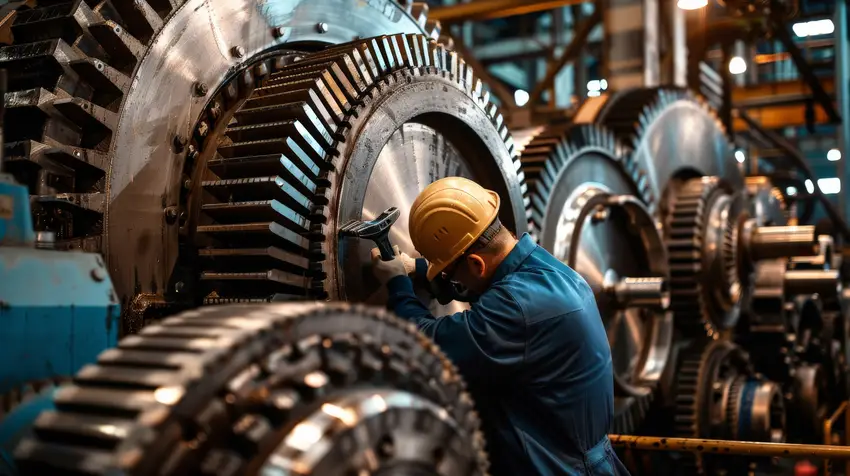
Industrial machinery mechanics keep factories running by maintaining and fixing complex equipment like conveyor belts, production machines, and packaging systems. They use diagnostic tools and computer systems to identify problems, then carefully disassemble machinery to clean, repair, or replace worn parts before testing everything to ensure smooth operation. This hands-on career combines mechanical skills with modern technology, and many mechanics learn through apprenticeships or technical school programs. These professionals often work in teams and may split time between different factory locations, making each day unique and challenging.
Did you know?
Most positions require completion of a postsecondary certificate program or apprenticeship through community colleges or trade schools, which are widely available across the United States.
At a glance
Typical average pay
$66,400 Avg/yr
Growth
Fast growing
Top skill
Equipment Maintenance
Things to consider
Manufacturing Sector Evolution
The American manufacturing industry is experiencing growth due to automation and reshoring trends, creating steady demand for skilled machinery mechanics.
Physical Demands and Safety
The role involves significant physical labor and exposure to industrial hazards, requiring adherence to strict OSHA safety regulations and consideration of long-term physical impact.
Key responsibilities
Observe and test the operation of machinery or equipment to diagnose malfunctions, using voltmeters or other testing devices.
Disassemble machinery or equipment to remove parts and make repairs.
Clean, lubricate, or adjust parts, equipment, or machinery.
Reassemble equipment after completion of inspections, testing, or repairs.
Repair or maintain the operating condition of industrial production or processing machinery or equipment.