Industrial Truck and Tractor Operators
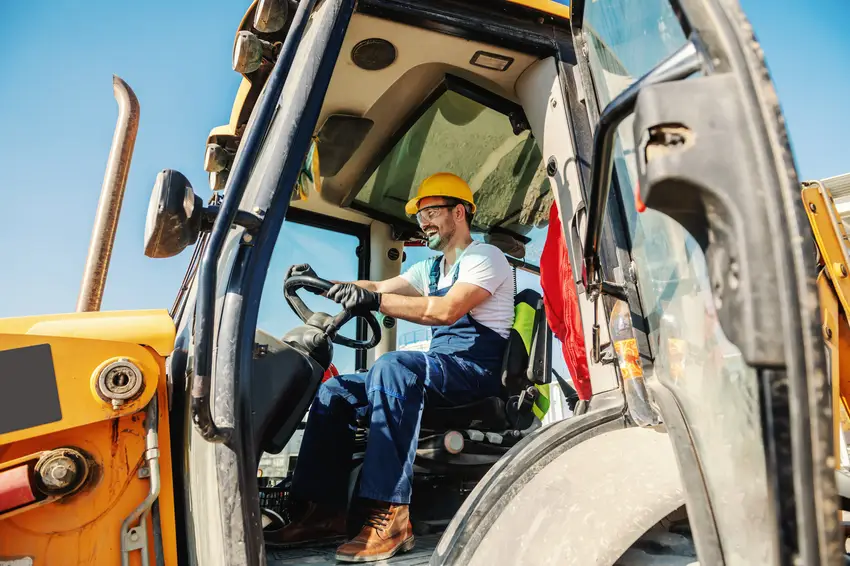
Industrial truck and tractor operators drive forklifts, hoists, and other specialized vehicles to move materials around warehouses, factories, and construction sites. They load and unload trucks, stack products on shelves, and transport goods between different areas using computerized inventory systems and modern safety technology. These operators work as part of teams to ensure products get delivered on time, performing equipment maintenance and quality checks along the way. Many operators today work in high-tech facilities with automated systems and can advance to supervisory roles or specialize in operating complex machinery.
Did you know?
Operators must adhere to strict OSHA safety standards and company protocols to prevent workplace accidents and maintain certification in the highly regulated American industrial environment.
At a glance
Typical average pay
$47,800 Avg/yr
Growth
Stable
Top skill
Operation and Control
Things to consider
Licensing and Certification Requirements
Most positions require obtaining proper licenses or certifications for specific equipment types, with requirements varying by state and employer in the United States.
Physical Demands and Health Considerations
The role involves significant physical demands including long hours of sitting, repetitive motions, and exposure to industrial environments that may impact long-term health and career longevity.
Key responsibilities
Position lifting devices under, over, or around loaded pallets, skids, or boxes and secure material or products for transport to designated areas.
Manually or mechanically load or unload materials from pallets, skids, platforms, cars, lifting devices, or other transport vehicles.
Perform routine maintenance on vehicles or auxiliary equipment, such as cleaning, lubricating, recharging batteries, fueling, or replacing liquefied-gas tank.
Move controls to drive gasoline- or electric-powered trucks, cars, or tractors and transport materials between loading, processing, and storage areas.
Turn valves and open chutes to dump, spray, or release materials from dump cars or storage bins into hoppers.